
Why “Finding Your Style” Is Holding You Back And What to Do Instead
Why “Finding Your Style” Is Holding You Back And What to Do Instead
In today’s digital landscape, emerging artists are repeatedly told one thing: find your style. It is presented almost as a rite of passage, a necessary milestone that proves legitimacy and allows algorithms, galleries, and audiences to recognise you.
But this idea, as it is commonly understood, is not only misleading, it is creatively suffocating.
As an art tutor and retreat facilitator within Soulful Art Retreats, I see this struggle constantly. Talented, sensitive artists begin to doubt themselves, not because they lack ability, but because they feel fragmented, inconsistent, or undefined. They mistake exploration for failure.
Let us dismantle this myth properly.
The pressure to find your style is largely a product of modern systems such as social media algorithms, branding culture, and commercial visibility. These systems reward repetition. They favour predictability. They categorise.
But art does not originate from systems. It originates from perception, emotion, and lived experience.
A style is not something you decide and then repeat.
It is something that emerges.
And more importantly, it evolves.
When artists force themselves into a recognisable aesthetic too early, they often begin producing work that looks consistent but feels hollow. The work becomes an imitation of itself, a performance rather than an exploration. This is where many artists quietly lose their connection to why they began creating in the first place.
Your artistic voice is not defined by a specific colour palette, a preferred medium, a subject category, or a recognisable look. These are surface qualities.
True style is perceptual. It is the lens through which you experience the world.
It is revealed in the emotions you are drawn to express, the themes you return to unconsciously, the way you interpret light, form, and movement, and the questions you are trying to answer through your work.
This is why authentic style cannot be rushed. It develops as you develop.
If we look at the lives of master artists, the myth of a fixed style quickly falls apart.
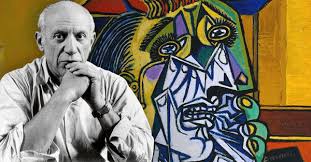
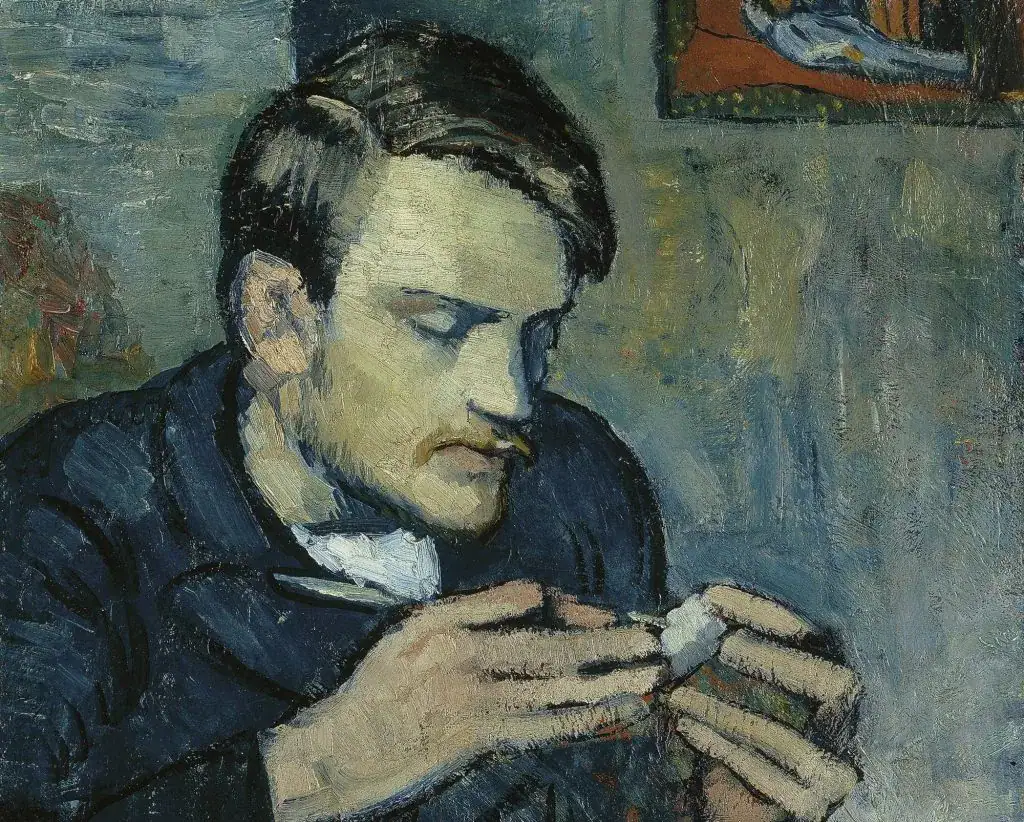
Pablo Picasso is often used as shorthand for artistic genius, yet his career is defined by constant reinvention. His Blue Period reflects grief and poverty, his Rose Period softens into warmth and human connection, and his later work fractures into the radical abstraction of Cubism. Each phase was not a branding decision, it was a response to life, emotion, and inquiry.
 |
 |
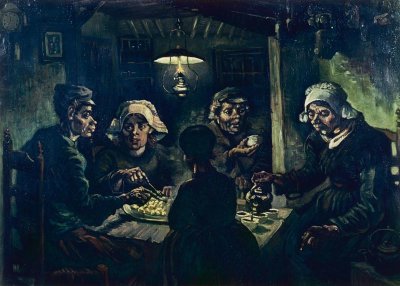
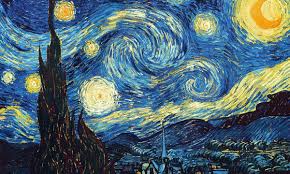
Vincent van Gogh is now instantly recognisable, yet his work evolved dramatically in a short lifetime. His early works are dark, earthy, and rooted in peasant life, while later paintings expand into colour, movement, and emotional intensity. His changing brushwork and palette reflect his internal world, his mental state, his search for meaning, and his relationship with nature and isolation.
 |
 |
Frida Kahlo created deeply personal and symbolic work that transformed alongside her life experience. Her early portraits are observational, while later works become increasingly symbolic and mythic. Her art is inseparable from her physical pain, identity, and emotional life. It evolves because she evolves.
What these artists demonstrate is something essential. Style is not a destination, it is a by product of presence.
It changes when you experience loss or love, when your beliefs shift, when your environment changes, and when your inner world deepens.
If your work is alive, your style will not remain static, and it should not.
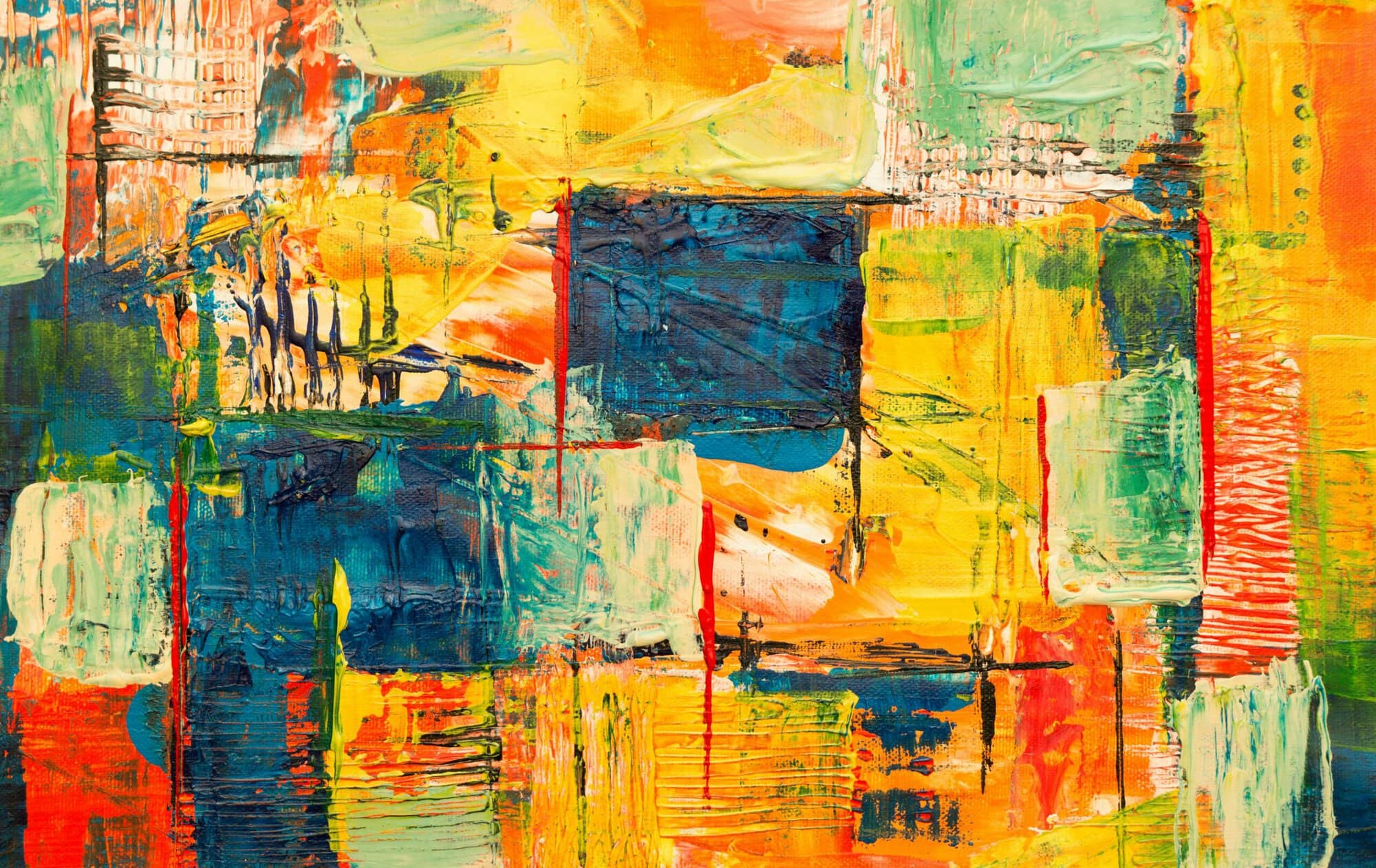
There is another struggle that emerges alongside this pressure, and it confuses many artists. They begin a painting with enthusiasm, only to feel bored, disconnected, or dissatisfied before it is finished.
This is rarely a sign of failure.
More often, it is a sign of misalignment.
Boredom in the creative process tends to arise when the painting is no longer asking anything of you. When it becomes predictable, when you already know how it will end, your engagement drops. The work stops being a discovery and becomes an execution.
This is precisely what happens when artists unknowingly repeat a formula in an attempt to “build a style”.
The mind may feel safe, but the creative spirit disengages.
Moving between subjects, approaches, and visual languages is not a lack of discipline. It is often a necessary way to keep perception alive. When you allow yourself to shift subject matter, scale, medium, or emotional tone, you reawaken curiosity. You begin to see again rather than merely reproduce.
Over time, something deeper begins to unify your work, not through sameness, but through authenticity.
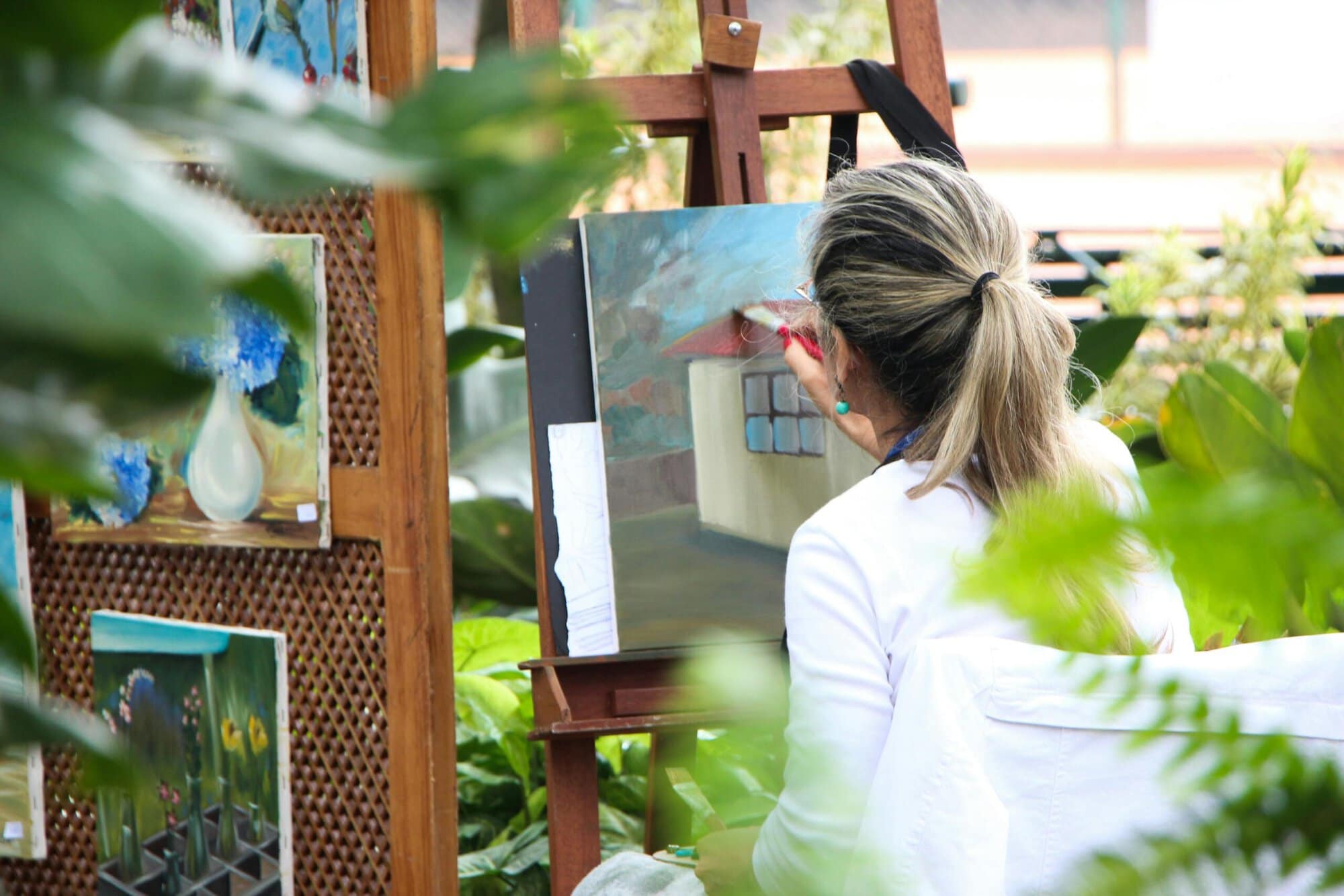
The deeper question is not what is my style, it is who am I as an artist.
This requires a different kind of inquiry, one that goes beyond technique.
You must begin to understand your emotional landscape, your archetypal nature, whether you are a visionary, a healer, a rebel, or a storyteller, your recurring themes and fascinations, and your fears, resistances, and limitations.
Because your art will inevitably express these things, whether consciously or not.
When you know yourself, your work gains coherence, not because it looks the same, but because it carries a consistent essence.
However, inner awareness alone is not enough.
There is a romantic idea that if we simply feel deeply, we will naturally be able to express it.
In reality, expression requires skill.
To translate emotion into form, you must understand the language of art, composition, value, colour relationships, mark making, and material sensitivity. These are not restrictions. They are tools of liberation.
Without them, your vision remains trapped inside you.
With them, it becomes visible.
At Soulful Art Retreats, this integration of inner awakening and technical development is central to the process.
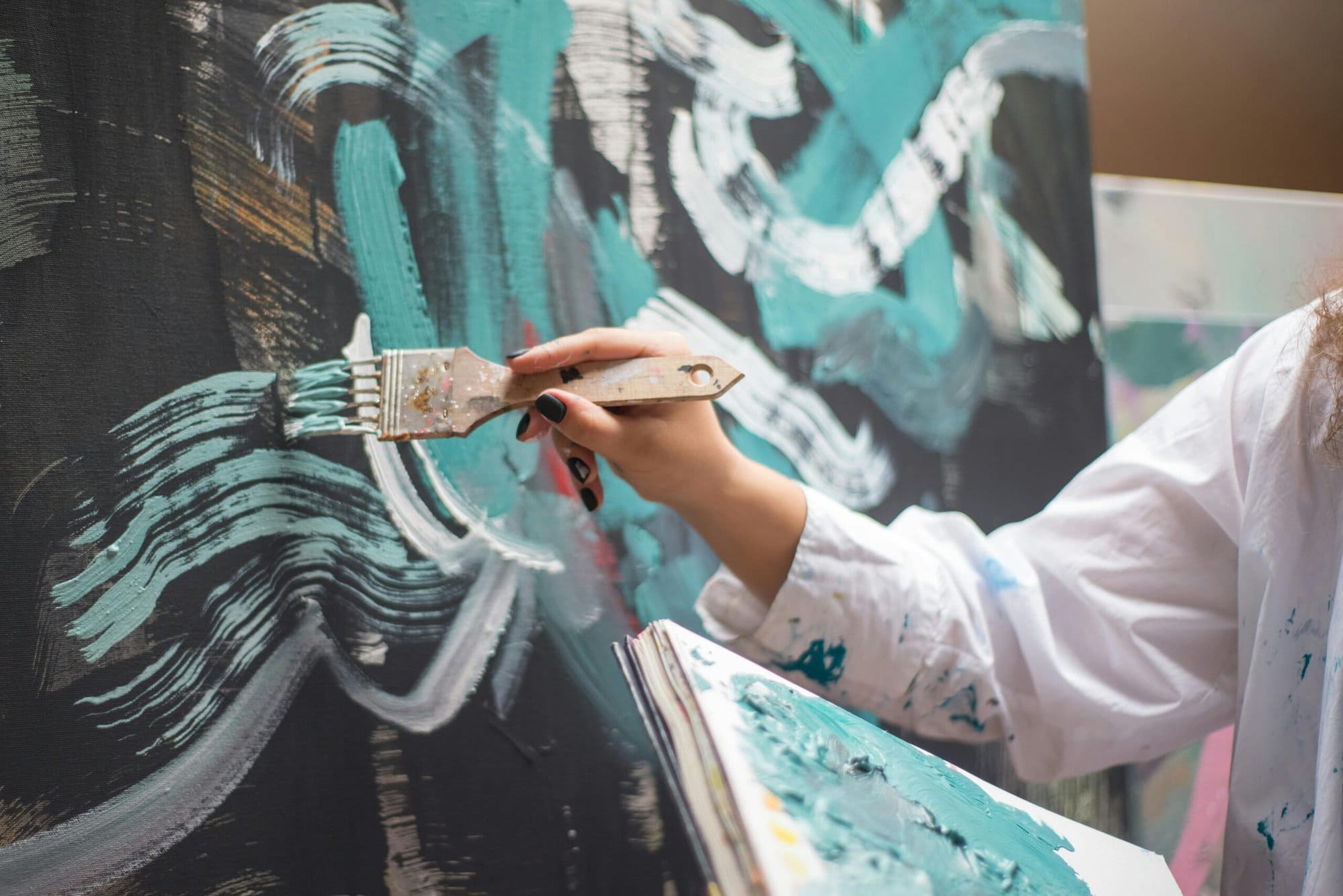
We begin not with outcome, but with perception. Through guided practices drawn from both art and yogic awareness, artists are invited to slow down, to observe, to feel, and to reconnect with their sensory experience of the world.
From there, we work with concrete practices that support the emergence of an authentic voice.
This includes intuitive mark making without outcome, exploring multiple subjects in short studies rather than committing too early to a single piece, working with emotional prompts rather than visual references alone, and learning to pause within a painting rather than forcing completion.
We also introduce structured skill building, understanding tonal value, simplifying complex forms, developing confident brushwork, and learning how to resolve a composition without losing its energy.
- This balance is essential.
- Inner transformation gives the work meaning.
- Skill gives it form.
- Without one, the other cannot fully exist.
It is also important to understand the wider cultural pressure that artists are navigating today.
Historically, artists have always faced external expectations, but the nature of that pressure has changed.
Before the digital age, artists were not creating under the constant gaze of algorithms. They were not required to produce at speed, to maintain visibility, or to repeat a recognisable format for the sake of engagement.
If we look at the radical emergence of Impressionism, we see a powerful example of artists resisting imposed standards. Painters such as Claude Monet and Edgar Degas challenged the rigid expectations of the academic art world. They were criticised, rejected, and dismissed because their work did not conform to established norms.
Yet they persisted.
They painted light as they experienced it, not as they were told it should be painted. They followed perception rather than approval.
What we are witnessing today is a different kind of pressure, less visible, but equally powerful. Instead of academic institutions, artists are navigating algorithmic systems that reward consistency over exploration.
The result is a subtle but pervasive form of self censorship.
Artists begin to ask not what feels true, but what will perform.
And in doing so, they disconnect from the very source of their originality.
Being an artist is not about arriving at a fixed identity.
It is about remaining in a state of curiosity, sensory awareness, emotional honesty, and exploration.
Your role is not to define your style once and protect it.
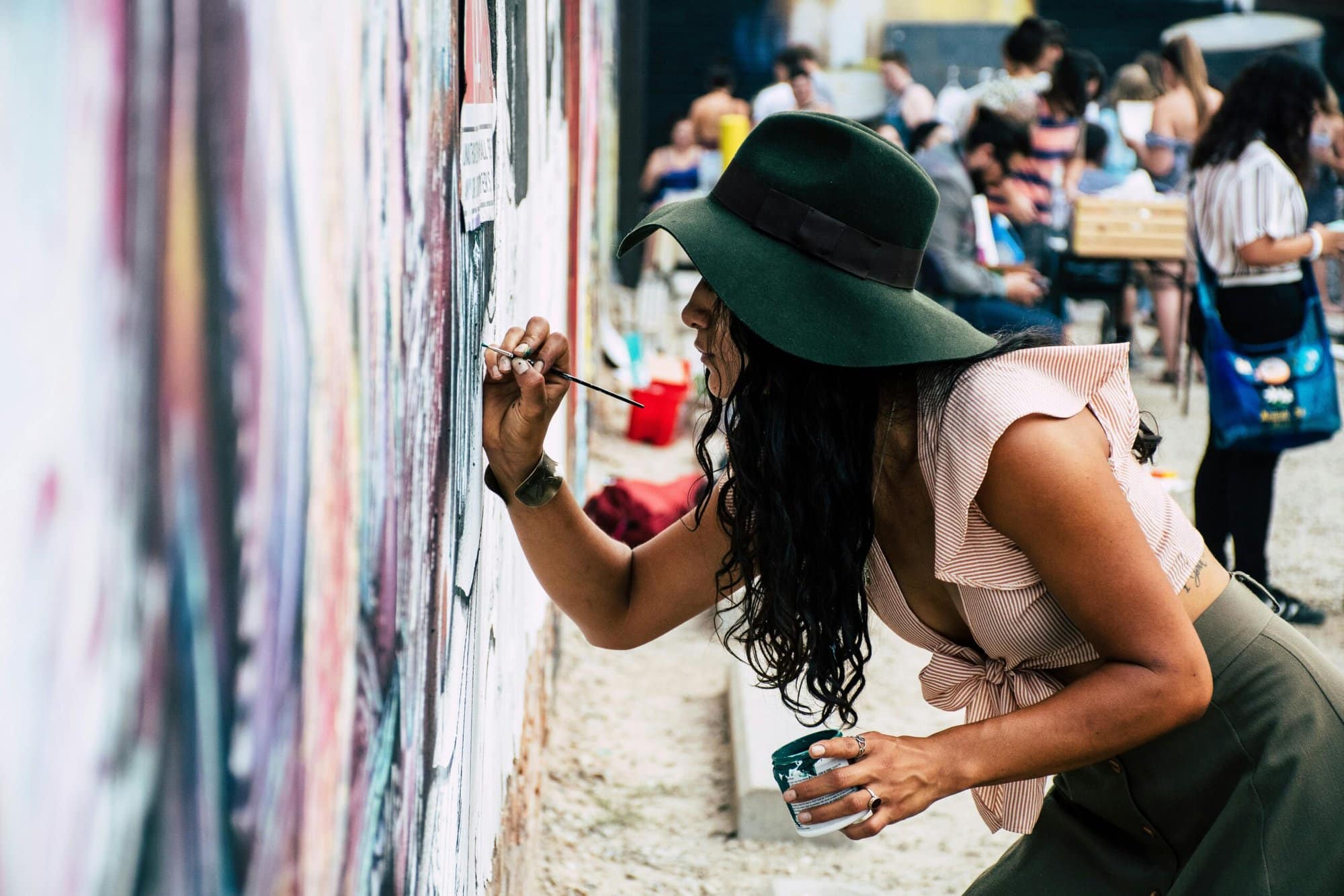
Your role is to stay awake to the world, to notice how light changes across a surface, how emotion moves through the body, and how your perception shifts over time, and to allow your work to reflect that.
Instead of asking have I found my style, consider asking what am I curious about right now, what feels true to explore today, what am I avoiding expressing, and how has my perception changed recently.
Within Soulful Art Retreats, this is the foundation of how I guide artists. We do not focus on producing uniform outcomes. We focus on deepening perception, reconnecting with intuition, exploring personal symbolism, and creating from lived experience rather than expectation.
Because when an artist reconnects with themselves, style naturally emerges and continues to evolve.
You do not need to find your style.
You need to live your way into it and allow it to change.
That is not inconsistency.
That is artistry.