
Uncategorized
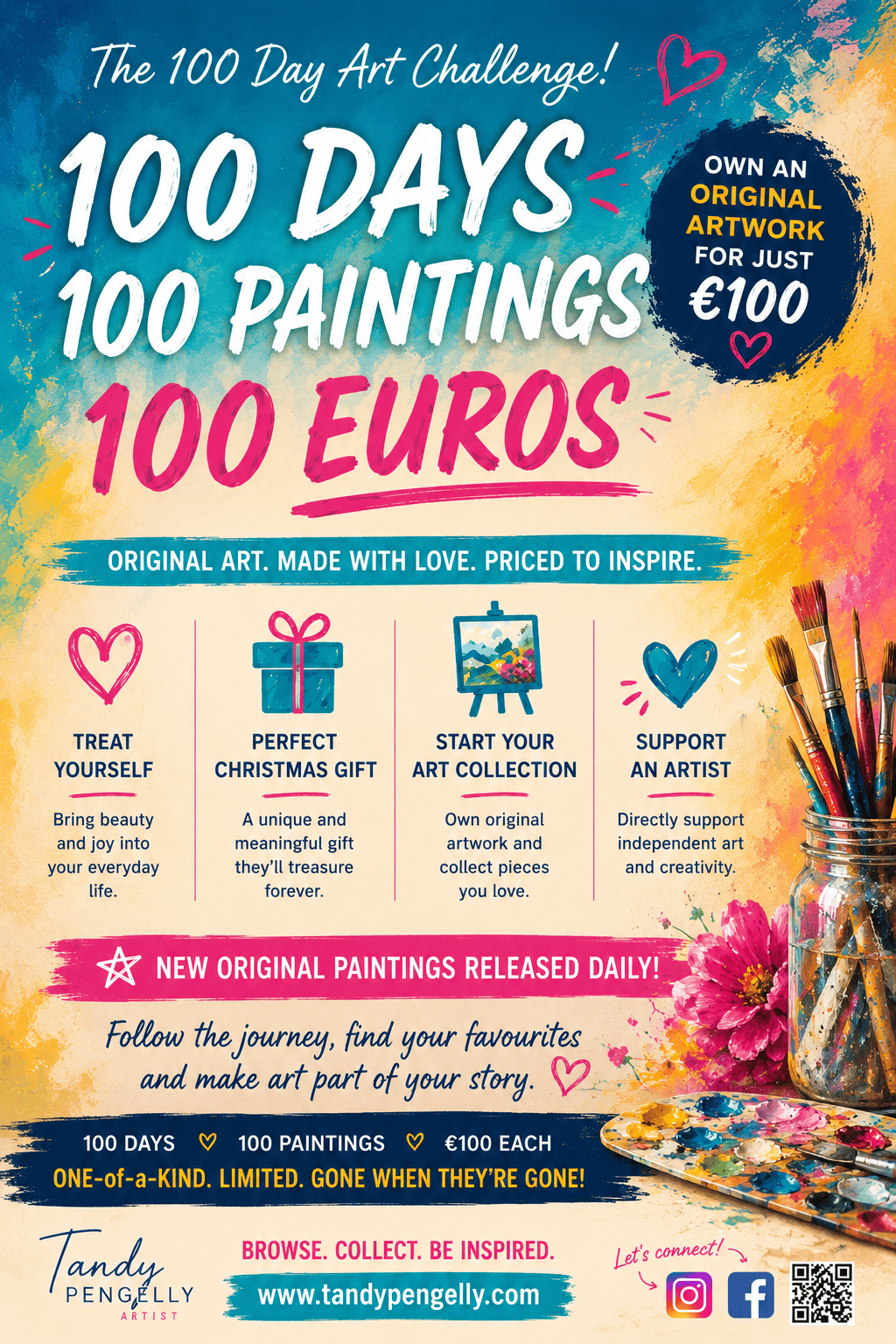
100 Days, 100 Paintings, €100: Have I Completely Lost My Mind?
100 Days, 100 Paintings, €100: Have I Completely Lost My Mind?
Perhaps. But sometimes the best creative ideas begin with a little madness.
As an artist, there is a constant tension between creating work that is deeply meaningful and making original art accessible to people who genuinely love it. Over the years, I have had countless conversations with visitors who have fallen in love with a painting but quietly admitted that original art feels out of reach.
So, this summer, I decided to start something a little different.
I am launching my 100 Days, 100 Paintings, €100 Challenge. Starting 6th July 2026
Yes, you read that correctly.
No prints. No reproductions. No catches. Just 100 original works of art, each one unique, each one created with the same passion and care that I bring to all of my paintings.
Why Would a Professional Artist Do This?
Partly because I love a challenge.
Partly because I have ADHD and apparently my brain occasionally wakes up and says, “You know what sounds like a perfectly reasonable idea? Painting 100 original artworks in 100 days.”
But mostly because I believe that owning original art should not be reserved only for serious collectors with substantial budgets.
Art changes spaces. It changes moods. It becomes part of our personal histories. It reminds us of places we have loved, emotions we have felt and moments we wish to hold onto.
I want more people to experience that.
What Can You Expect?
If you know my work, you will know that I paint what I love most: the natural world.
Over the coming months, I will be sharing a collection of original paintings inspired by:
- The wild landscapes of rural France
- Stormy skies and golden fields
- Wildlife and birds
- Flowers and botanical studies
- Seasonal changes
- Unexpected moments of beauty
- Whatever else decides to capture my attention on a particular day
Some paintings may be quiet and contemplative. Others may be dramatic and full of movement. Some may become favourites that I struggle to part with.
That is all part of the adventure.
Why €100?
Because I wanted to create a genuine opportunity.
Perhaps you have always wanted to own an original painting but never taken the plunge.
Perhaps you are looking for a meaningful Christmas gift that no one else in the world will own.
Perhaps you have a blank wall waiting for something beautiful.
Or perhaps you simply believe that artists should occasionally do slightly ridiculous things in the name of creativity.
At €100, these paintings become accessible while still retaining what makes original art so special: they are entirely unique.
Perfect for Christmas
Let’s be honest.
Most Christmas presents are forgotten by February.
An original painting, however, becomes part of someone’s life. It hangs in their home. It reminds them of the person who gave it to them. It gathers memories and meaning over time.
If you are searching for a Christmas present that is thoughtful, personal and genuinely unforgettable, an original artwork might just be the answer.
The Rules
To keep things exciting:
- Every painting will be an original work of art.
- Each painting will be priced at €100. (excluding frame and postage)
- Once a painting is sold, it is gone forever.
- No reproductions will be made.
- New paintings will be released regularly throughout the challenge.
- World wide shipping available
Some will sell quickly. Others may wait patiently for the right home.
Join Me on the Journey
Truthfully, I have no idea exactly where these next 100 days will lead.
There will undoubtedly be moments of inspiration, moments of doubt, moments of creative chaos and probably quite a lot of paint on the floor.
But that is the beauty of making art.
I hope you will join me for the journey, follow the paintings as they emerge and perhaps even find a piece that speaks directly to you.
Follow the Challenge
100 Days • 100 Paintings • €100
Original artwork. Real stories. One painting at a time.
Browse the collection, follow the journey and discover which painting is waiting for you.
How Art Can Heal the Nervous System
How Art Can Heal the Nervous System
A Deeper Look at Creativity, Regulation and Inner Balance

In a world that rarely pauses, many people are living in a constant state of low level activation. The nervous system becomes accustomed to speed, pressure, and stimulation, often without us realising the long term effects. Rest feels unfamiliar. Stillness can feel uncomfortable. Creativity, for many, becomes something distant or inaccessible.
Yet there is a quiet and powerful way back…….Art.
Not as performance or outcome, but as a process of attention, presence, and sensory engagement. When approached in this way, art becomes more than expression. It becomes a pathway to regulate the nervous system and restore a sense of inner balance.
This is one of the core principles behind Soulful Art Retreats in France, where painting, yoga, and meditation are brought together to support both creative development and deeper restoration.
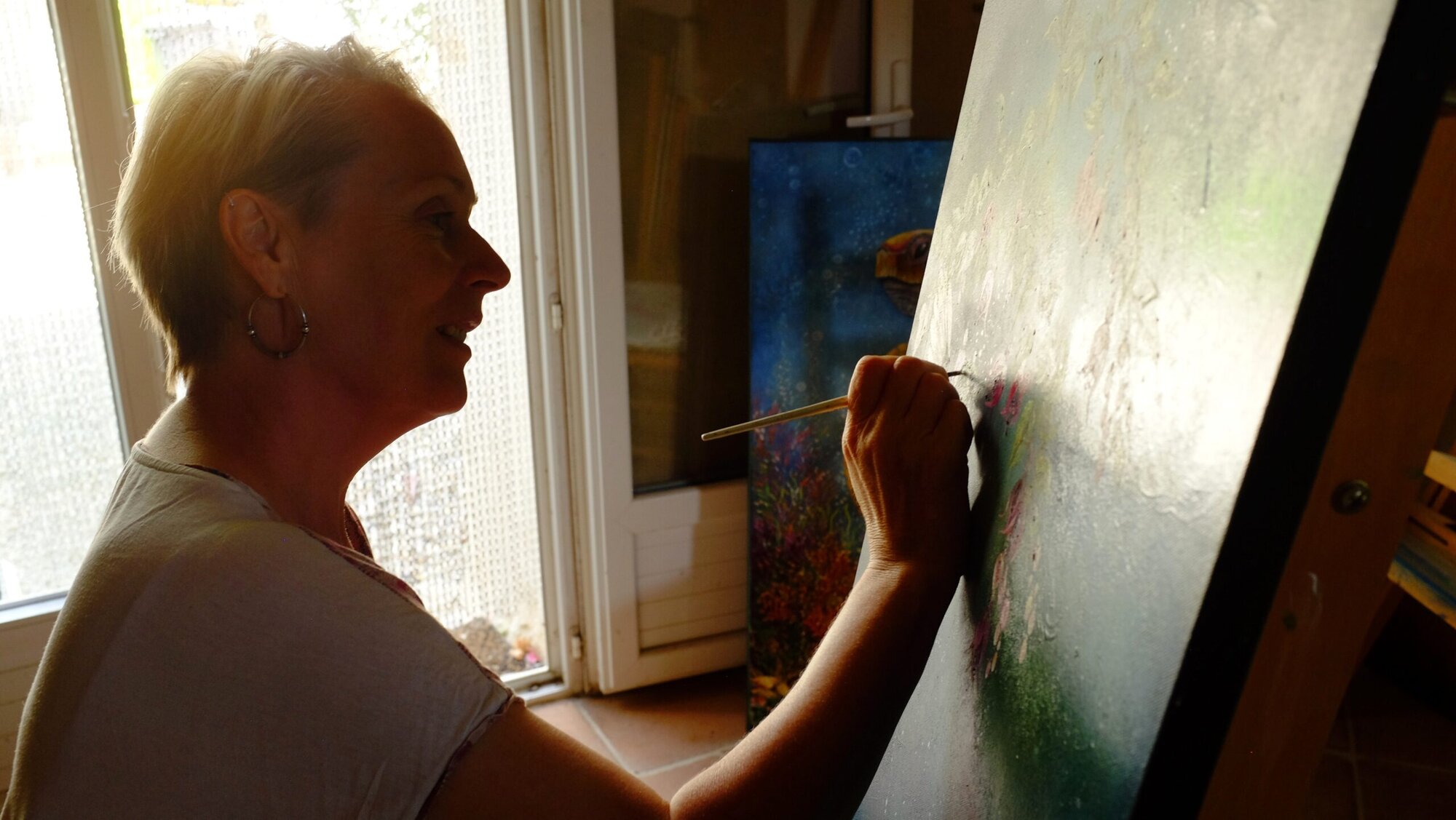
Understanding the Nervous System and Creativity
The nervous system is constantly responding to our environment. When we are under stress, overwhelmed, or overstimulated, the body moves into a state of activation. Over time, this can become habitual.
Creativity struggles in this state.
Not because the ability disappears, but because perception narrows. Attention becomes fragmented. The body tightens. The mind moves quickly, often critically. This makes it difficult to access the slower, more intuitive processes required for meaningful creative work.
For art to emerge with depth, the nervous system needs to feel safe enough to slow down.
Art as a Regulating Practice
When approached mindfully, painting can become a regulating practice in itself.
The act of observing light, colour, and form draws attention out of the mind and into the present moment. The hand begins to move with more awareness. The breath naturally slows. The body softens. This is not accidental. It is a physiological response.
Focused, sensory based activities such as painting help to shift the nervous system out of a reactive state and into a more regulated, grounded one. This is where creativity begins to feel accessible again.
Art becomes less about producing something and more about entering a state.
The Role of Slowing Down
One of the most significant shifts that happens within a mindful art retreat is the pace.
In everyday life, creativity is often squeezed into small, distracted moments. On retreat, time expands. There is space to begin, pause, reflect, and return.
This slower rhythm allows the nervous system to recalibrate.
As the pace changes, perception deepens. You begin to notice subtle variations in light, texture, and colour. The world feels less rushed, more detailed, and more connected.
From this place, painting becomes a form of quiet attention rather than effort.
Why Nature Enhances the Healing Process
The environment in which you create matters.
Being in a natural setting supports nervous system regulation in a way that indoor or urban environments often cannot. The openness, the light, and the organic forms of the landscape all contribute to a sense of ease.
This is why art retreats in the French countryside offer such a powerful setting for creative and personal renewal.
Nature provides a steady, non demanding presence. It invites observation without pressure. It allows the mind to settle and the senses to reawaken.
The Integration of Yoga and Meditation
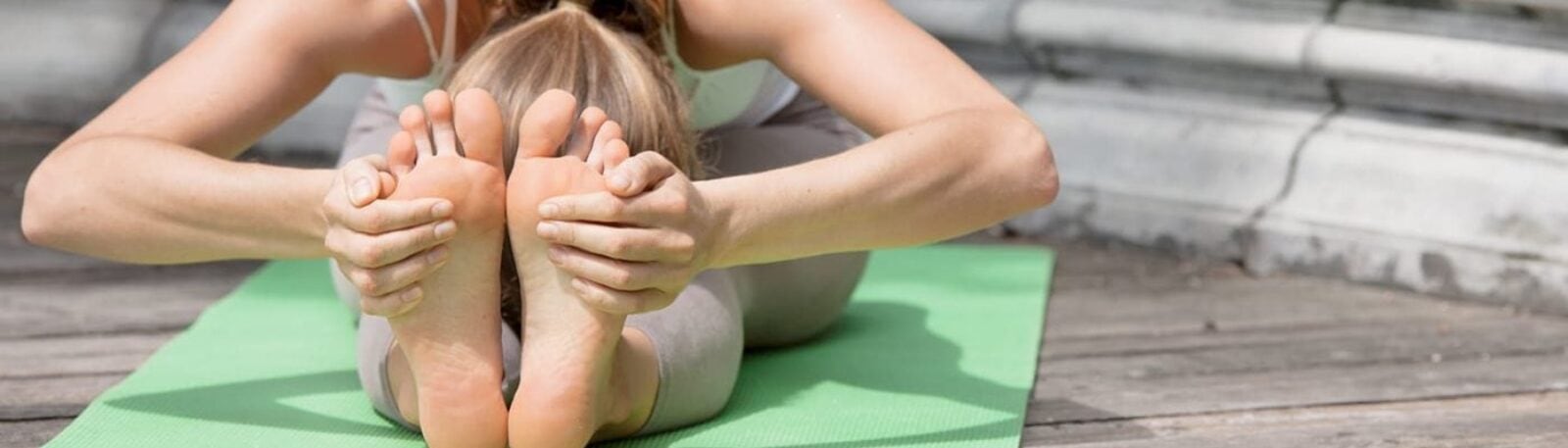
While painting itself can be regulating, the integration of yoga and meditation deepens the process.
Gentle movement helps release physical tension held in the body. Breathwork supports the shift into a calmer state. Meditation trains attention, allowing you to remain present for longer periods of time.
Together, these practices create a foundation where creativity can emerge more freely.
This integration is central to the experience offered by Tandy Pengelly Artist, where art is not separated from the body or the inner world, but understood as part of a whole system.
From Disconnection to Presence
Many people arrive at a retreat feeling disconnected, not only from their creativity, but from themselves.
Through a combination of mindful painting, embodied practice, and time in nature, this begins to change.
The nervous system settles. The mind becomes quieter. The body feels more grounded.
From this place, creativity is no longer something forced. It becomes a natural expression of presence.
A Different Way of Experiencing Art
When art is approached as a way to regulate and reconnect, it moves beyond technique.
You still learn. You still develop skill in composition, colour, and observation. But these are no longer separate from your internal experience. They become tools that support expression rather than control it.
This is where serious art meets inner transformation.
An Invitation to Reconnect
A Soulful Art Retreat in France offers more than a break from routine. It offers a space where your nervous system can reset, your creativity can reawaken, and your relationship with art can deepen.
It is not about escaping life, but about returning to it with greater awareness, sensitivity, and balance.
If you feel the need to slow down, to reconnect, and to experience creativity in a more grounded and meaningful way, this may be the beginning of that process.
Why Creative Retreats in Nature Are So Powerful
Why Creative Retreats in Nature Are So Powerful
Reconnecting to Creativity Through Stillness, Space and the Natural World
There is a reason creativity begins to return when we step away from our usual environment.
Not because we are trying harder, but because something around us has changed. The noise reduces, the pace softens, and the constant demand for attention begins to fall away. In that quieter space, perception sharpens and creativity begins to move again.
This is why a creative retreat in nature can feel so powerful.
In modern life, the mind is rarely at rest. We are surrounded by stimulation, expectation, and subtle pressure to produce, respond, and perform. Over time, this creates a disconnect, not only from our creativity, but from our own sensory experience of the world.
Nature interrupts this pattern. It does not demand anything from you. It does not require productivity or outcome. It invites observation, presence, and attention.
When you spend time in a natural environment, something shifts at a physiological level. The nervous system begins to regulate, breath slows, and the body moves out of a state of constant activation. This creates the conditions in which creativity can emerge naturally, without force.
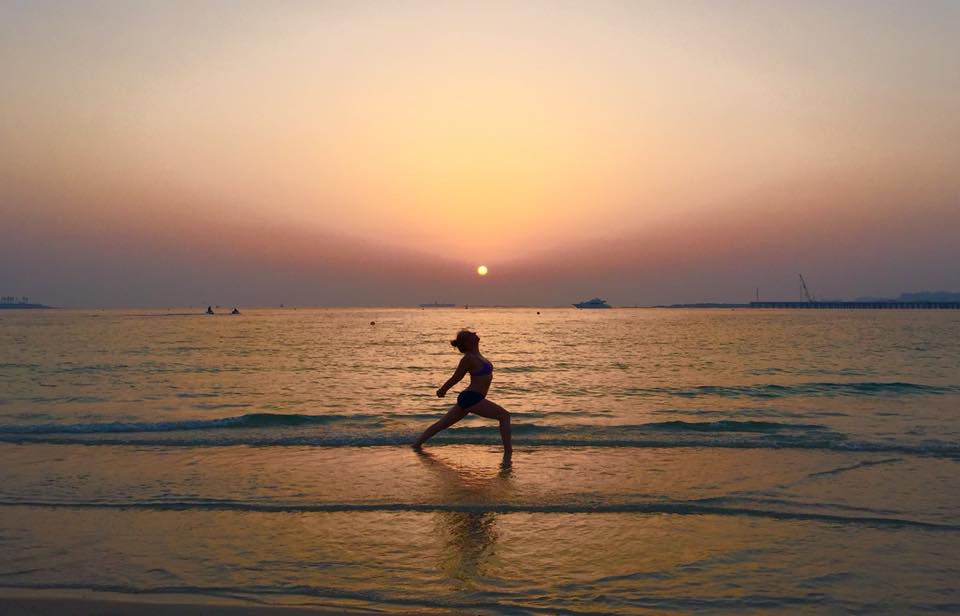
Light becomes something you notice again. The way it moves across a surface, the subtle variations in colour, the textures within the landscape. These are not just visual details, they become points of connection.
For artists, this is essential.
Creative work is not only about skill, it is about perception. When perception is dulled by distraction, the work loses its depth. When perception is refined through stillness, the work begins to carry more sensitivity and presence.
This is why many artists find that their work changes when they step into a retreat environment. It becomes less about control and more about response. Less about outcome and more about process.
Within a structured retreat setting, this experience is gently supported.
Daily practices such as yoga and meditation help to settle the body and mind, creating a stable foundation for creative work. From this place, painting becomes less effortful and more intuitive, not because it lacks structure, but because it is grounded in awareness.
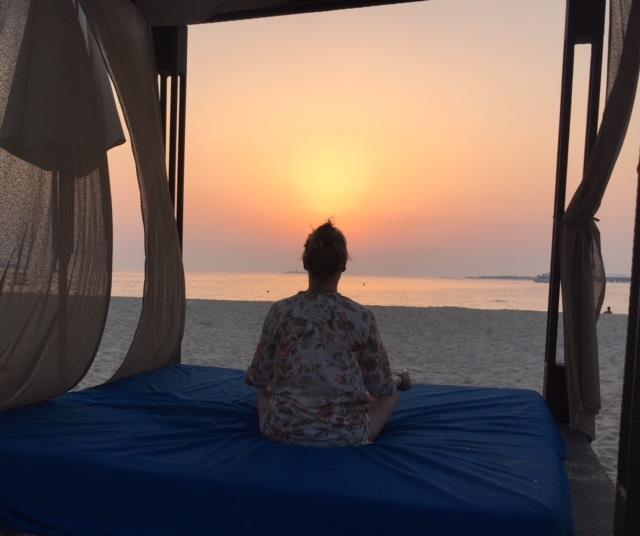
In everyday life, creativity is often compressed into short, fragmented periods. On retreat, time expands. There is space to begin, pause, reflect, and return to the work with fresh perception. This allows a deeper level of engagement that is rarely accessible in daily routines.
The natural environment continues to support this process. Walks through the landscape, quiet moments outdoors, and the simple act of observing all contribute to a more connected creative state.
This is not about escaping life, but about recalibrating your relationship to it.
A creative retreat in nature allows you to step out of habitual patterns and return to a more attentive way of being. From that place, both your creativity and your sense of self begin to feel more aligned.
This is why experiences such as a Soulful Art Retreat in France are not simply about learning to paint. They offer a space where the conditions for both artistic development and inner transformation can exist together.
Where serious art meets inner transformation, and where creativity is no longer something you chase, but something you reconnect with.
Why “Finding Your Style” Is Holding You Back And What to Do Instead
Why “Finding Your Style” Is Holding You Back And What to Do Instead
In today’s digital landscape, emerging artists are repeatedly told one thing: find your style. It is presented almost as a rite of passage, a necessary milestone that proves legitimacy and allows algorithms, galleries, and audiences to recognise you.
But this idea, as it is commonly understood, is not only misleading, it is creatively suffocating.
As an art tutor and retreat facilitator within Soulful Art Retreats, I see this struggle constantly. Talented, sensitive artists begin to doubt themselves, not because they lack ability, but because they feel fragmented, inconsistent, or undefined. They mistake exploration for failure.
Let us dismantle this myth properly.
The pressure to find your style is largely a product of modern systems such as social media algorithms, branding culture, and commercial visibility. These systems reward repetition. They favour predictability. They categorise.
But art does not originate from systems. It originates from perception, emotion, and lived experience.
A style is not something you decide and then repeat.
It is something that emerges.
And more importantly, it evolves.
When artists force themselves into a recognisable aesthetic too early, they often begin producing work that looks consistent but feels hollow. The work becomes an imitation of itself, a performance rather than an exploration. This is where many artists quietly lose their connection to why they began creating in the first place.
Your artistic voice is not defined by a specific colour palette, a preferred medium, a subject category, or a recognisable look. These are surface qualities.
True style is perceptual. It is the lens through which you experience the world.
It is revealed in the emotions you are drawn to express, the themes you return to unconsciously, the way you interpret light, form, and movement, and the questions you are trying to answer through your work.
This is why authentic style cannot be rushed. It develops as you develop.
If we look at the lives of master artists, the myth of a fixed style quickly falls apart.
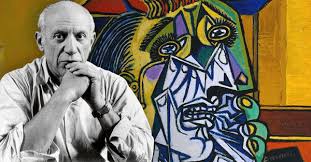
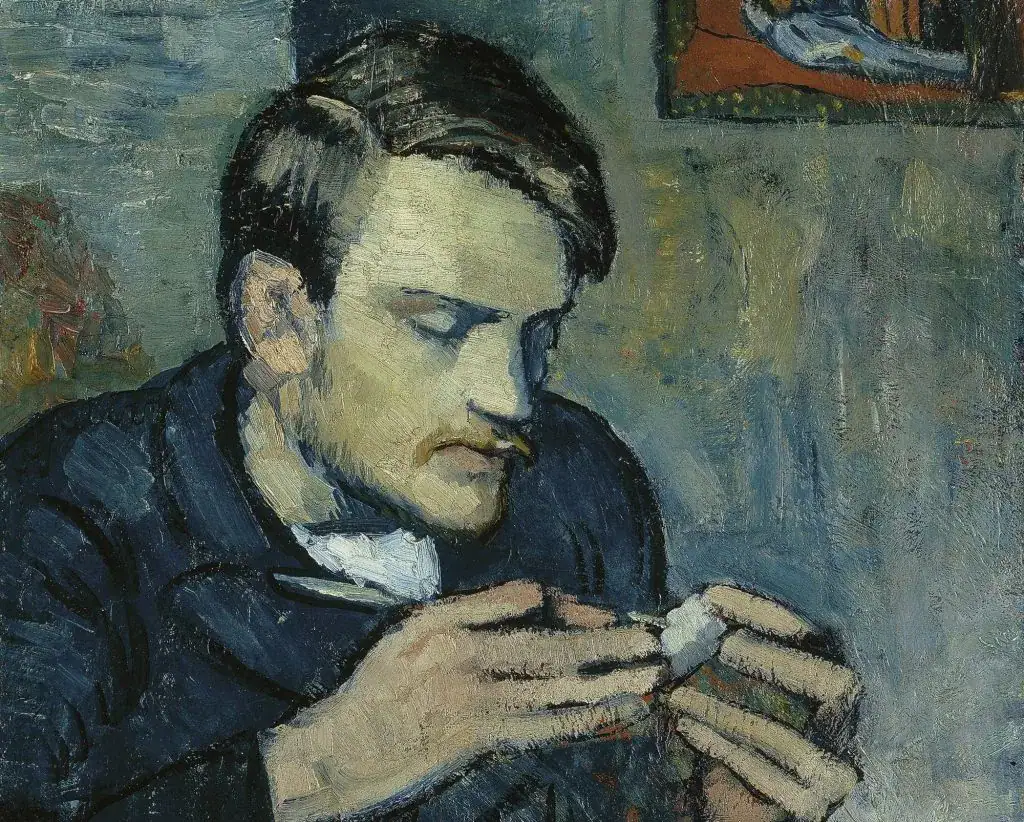
Pablo Picasso is often used as shorthand for artistic genius, yet his career is defined by constant reinvention. His Blue Period reflects grief and poverty, his Rose Period softens into warmth and human connection, and his later work fractures into the radical abstraction of Cubism. Each phase was not a branding decision, it was a response to life, emotion, and inquiry.
 |
 |
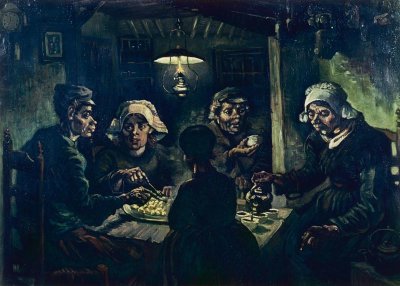
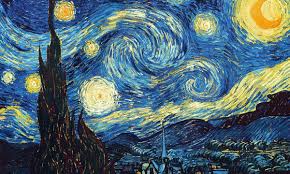
Vincent van Gogh is now instantly recognisable, yet his work evolved dramatically in a short lifetime. His early works are dark, earthy, and rooted in peasant life, while later paintings expand into colour, movement, and emotional intensity. His changing brushwork and palette reflect his internal world, his mental state, his search for meaning, and his relationship with nature and isolation.
 |
 |
Frida Kahlo created deeply personal and symbolic work that transformed alongside her life experience. Her early portraits are observational, while later works become increasingly symbolic and mythic. Her art is inseparable from her physical pain, identity, and emotional life. It evolves because she evolves.
What these artists demonstrate is something essential. Style is not a destination, it is a by product of presence.
It changes when you experience loss or love, when your beliefs shift, when your environment changes, and when your inner world deepens.
If your work is alive, your style will not remain static, and it should not.
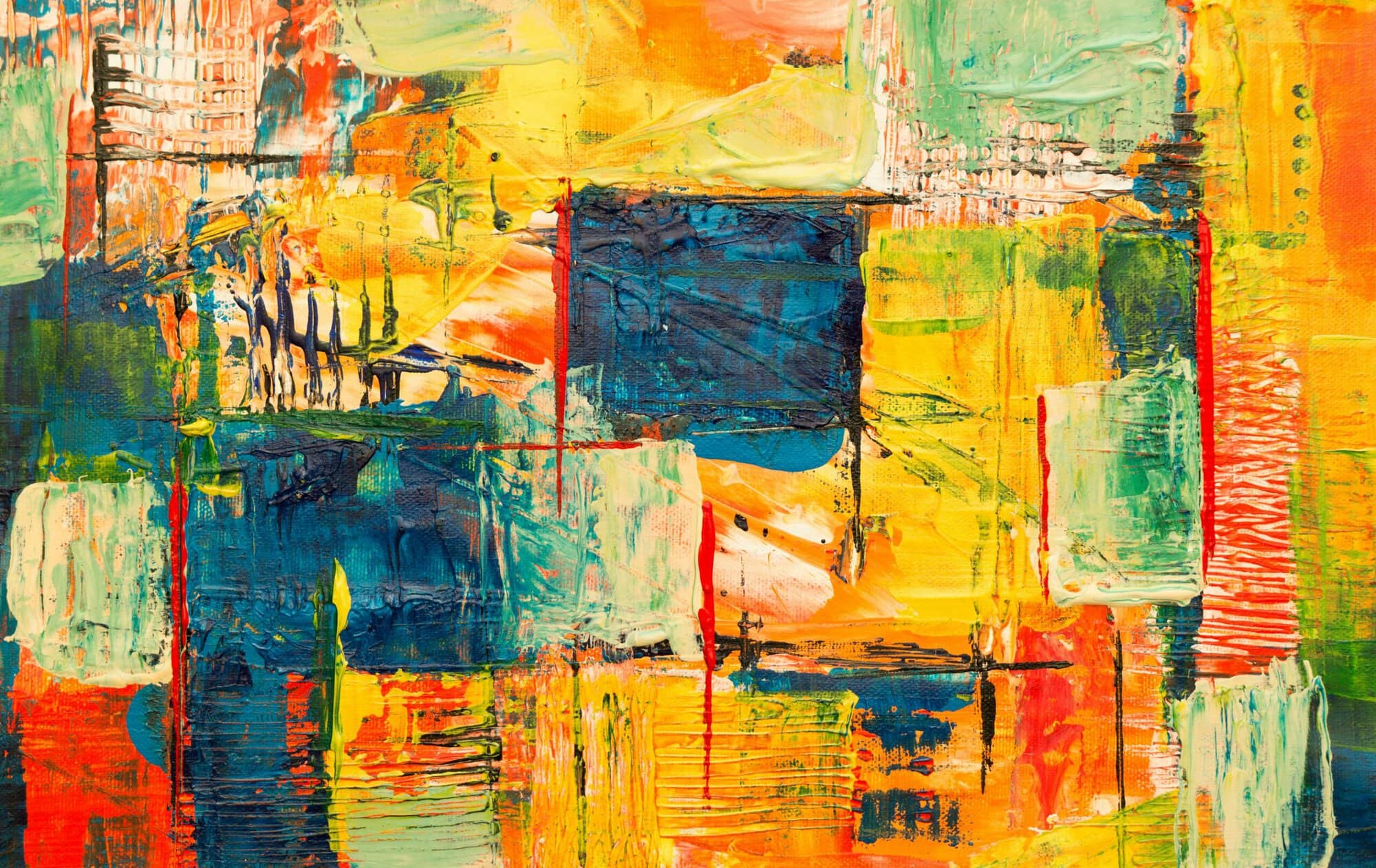
There is another struggle that emerges alongside this pressure, and it confuses many artists. They begin a painting with enthusiasm, only to feel bored, disconnected, or dissatisfied before it is finished.
This is rarely a sign of failure.
More often, it is a sign of misalignment.
Boredom in the creative process tends to arise when the painting is no longer asking anything of you. When it becomes predictable, when you already know how it will end, your engagement drops. The work stops being a discovery and becomes an execution.
This is precisely what happens when artists unknowingly repeat a formula in an attempt to “build a style”.
The mind may feel safe, but the creative spirit disengages.
Moving between subjects, approaches, and visual languages is not a lack of discipline. It is often a necessary way to keep perception alive. When you allow yourself to shift subject matter, scale, medium, or emotional tone, you reawaken curiosity. You begin to see again rather than merely reproduce.
Over time, something deeper begins to unify your work, not through sameness, but through authenticity.
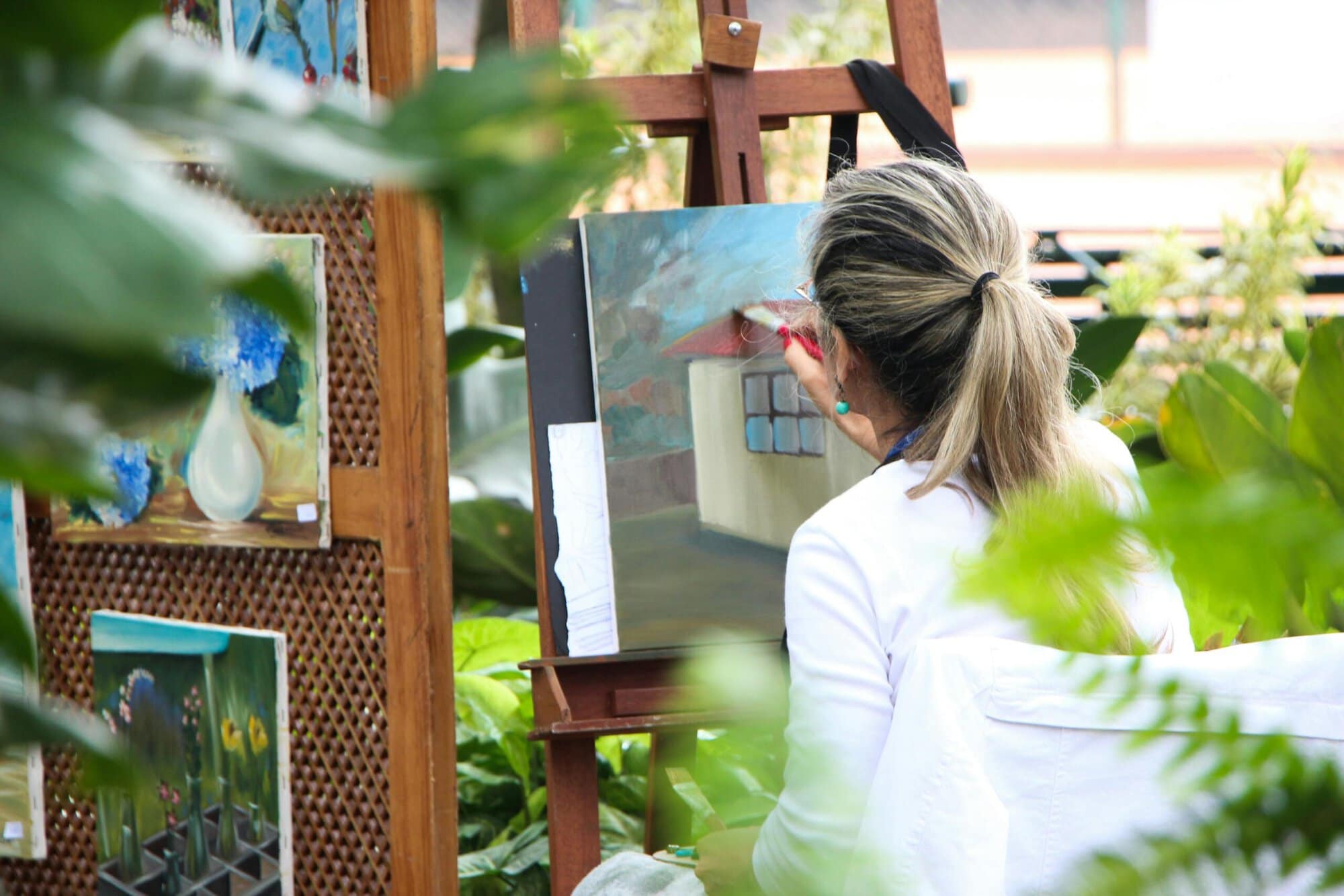
The deeper question is not what is my style, it is who am I as an artist.
This requires a different kind of inquiry, one that goes beyond technique.
You must begin to understand your emotional landscape, your archetypal nature, whether you are a visionary, a healer, a rebel, or a storyteller, your recurring themes and fascinations, and your fears, resistances, and limitations.
Because your art will inevitably express these things, whether consciously or not.
When you know yourself, your work gains coherence, not because it looks the same, but because it carries a consistent essence.
However, inner awareness alone is not enough.
There is a romantic idea that if we simply feel deeply, we will naturally be able to express it.
In reality, expression requires skill.
To translate emotion into form, you must understand the language of art, composition, value, colour relationships, mark making, and material sensitivity. These are not restrictions. They are tools of liberation.
Without them, your vision remains trapped inside you.
With them, it becomes visible.
At Soulful Art Retreats, this integration of inner awakening and technical development is central to the process.
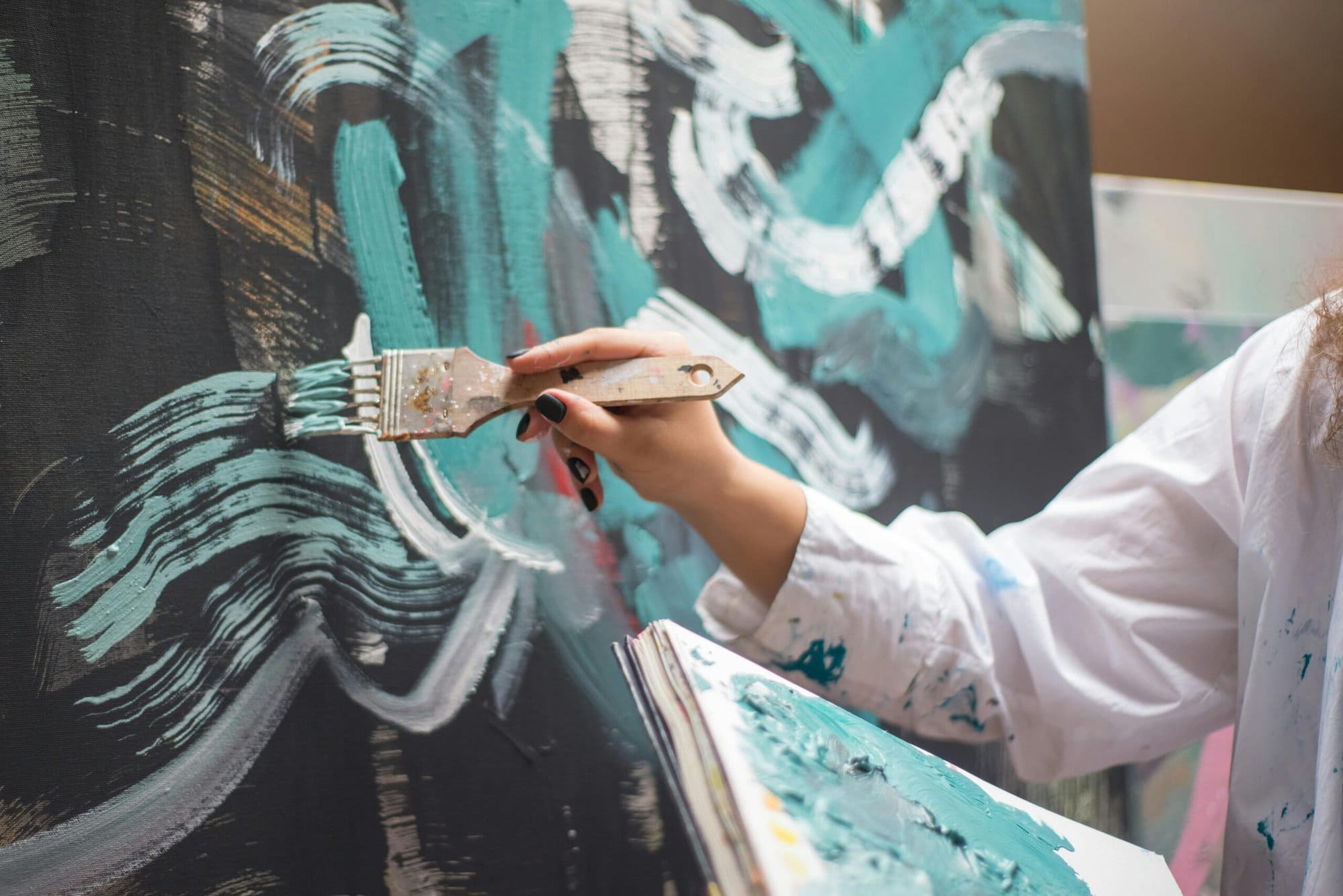
We begin not with outcome, but with perception. Through guided practices drawn from both art and yogic awareness, artists are invited to slow down, to observe, to feel, and to reconnect with their sensory experience of the world.
From there, we work with concrete practices that support the emergence of an authentic voice.
This includes intuitive mark making without outcome, exploring multiple subjects in short studies rather than committing too early to a single piece, working with emotional prompts rather than visual references alone, and learning to pause within a painting rather than forcing completion.
We also introduce structured skill building, understanding tonal value, simplifying complex forms, developing confident brushwork, and learning how to resolve a composition without losing its energy.
- This balance is essential.
- Inner transformation gives the work meaning.
- Skill gives it form.
- Without one, the other cannot fully exist.
It is also important to understand the wider cultural pressure that artists are navigating today.
Historically, artists have always faced external expectations, but the nature of that pressure has changed.
Before the digital age, artists were not creating under the constant gaze of algorithms. They were not required to produce at speed, to maintain visibility, or to repeat a recognisable format for the sake of engagement.
If we look at the radical emergence of Impressionism, we see a powerful example of artists resisting imposed standards. Painters such as Claude Monet and Edgar Degas challenged the rigid expectations of the academic art world. They were criticised, rejected, and dismissed because their work did not conform to established norms.
Yet they persisted.
They painted light as they experienced it, not as they were told it should be painted. They followed perception rather than approval.
What we are witnessing today is a different kind of pressure, less visible, but equally powerful. Instead of academic institutions, artists are navigating algorithmic systems that reward consistency over exploration.
The result is a subtle but pervasive form of self censorship.
Artists begin to ask not what feels true, but what will perform.
And in doing so, they disconnect from the very source of their originality.
Being an artist is not about arriving at a fixed identity.
It is about remaining in a state of curiosity, sensory awareness, emotional honesty, and exploration.
Your role is not to define your style once and protect it.
Your role is to stay awake to the world, to notice how light changes across a surface, how emotion moves through the body, and how your perception shifts over time, and to allow your work to reflect that.
Instead of asking have I found my style, consider asking what am I curious about right now, what feels true to explore today, what am I avoiding expressing, and how has my perception changed recently.
Within Soulful Art Retreats, this is the foundation of how I guide artists. We do not focus on producing uniform outcomes. We focus on deepening perception, reconnecting with intuition, exploring personal symbolism, and creating from lived experience rather than expectation.
Because when an artist reconnects with themselves, style naturally emerges and continues to evolve.
You do not need to find your style.
You need to live your way into it and allow it to change.
That is not inconsistency.
That is artistry.
What to Expect on an Art and Yoga Retreat
What to Expect on an Art and Yoga Retreat
Where Serious Art Meets Inner Transformation
There is often a quiet moment, usually on the first morning, when something begins to shift. The pace slows, the mind softens, and the constant drive to achieve gently loosens. In its place, a deeper awareness begins to emerge. This is the essence of an art and yoga retreat, not simply a change of environment, but a return to a more attentive and grounded way of being.
An art and yoga retreat offers something more integrated than a traditional workshop or wellness escape. It is a space where painting, movement, and stillness are brought together with intention. Here, creativity is not treated as performance, and yoga is not reduced to exercise. Instead, both become pathways into presence, allowing a more meaningful and embodied experience of art to unfold.
Each day begins in stillness. Gentle yoga and meditation awaken the body and settle the nervous system, creating a sense of ease and clarity. Without pressure or intensity, you are guided into a more receptive state, where breath deepens, attention refines, and the mind becomes quieter. From this place, creativity begins to move differently. A nourishing plant-based breakfast follows, supporting both energy and focus for the day ahead.
As the day unfolds, you move into the heart of the retreat through mindful painting. This is where serious art meets inner transformation. Alongside practical guidance in composition, colour, and technique, you are invited to slow down and truly observe. Light, shadow, texture, and movement become the focus of attention. Painting becomes a form of meditation, a disciplined yet intuitive process that develops both skill and sensitivity. Rather than striving for perfection, you begin to engage in a deeper dialogue with what you see and feel.
Afternoons offer space for integration. Time is given to continue painting, to rest, to walk in nature, or simply to sit quietly. This spaciousness is essential, allowing both creative development and inner awareness to settle and deepen. Without the pressure to fill every moment, the experience becomes more profound and personal.
Evenings bring a return to stillness. Shared meals create a sense of connection, followed by gentle reflection or quiet time. By the end of the day, the nervous system has softened, the mind has slowed, and a deeper sense of presence begins to stabilise. What emerges is not only creative progress, but a more grounded and connected way of being.
While you will develop your painting skills and gain a stronger understanding of technique, what often remains is something less tangible yet far more significant. A capacity to slow down, to observe more clearly, and to trust your own creative voice. This is what distinguishes a creative retreat that integrates yoga and meditation. It does not separate skill from experience, but brings them together in a way that is both refined and deeply human.
These retreats are open to all levels. Whether you are a complete beginner, an experienced artist seeking renewal, or someone feeling creatively disconnected, the emphasis is not on prior ability but on presence and willingness. The environment is supportive, focused, and quietly transformative.
By the end of the week, there is often a noticeable shift. A greater sense of calm, clarity, and connection emerges, alongside renewed creative confidence. More than anything, you leave with a different way of seeing, one that continues beyond the retreat itself.
A Soulful Art Retreat in France is not an escape from life. It is a return to it, approached with greater awareness, depth, and sensitivity. It is a space where serious art meets inner transformation, and where creativity becomes a living, embodied practice.
ADHD Coaching for Artists: The Hidden History of Creative Brilliance
ADHD Coaching For Artists: The Hidden History of Creative Brilliance
For centuries, the creative mind has been misunderstood.
Long before ADHD was formally recognised, artists were described as restless, obsessive, distracted, intense or wildly prolific. Today, many of those historical creatives might well have been identified as neurodivergent.
As both a professional wildlife artist and an ADHD coach for artists, I see this pattern repeatedly. The very traits that can make traditional careers difficult are often the same traits that generate artistic innovation.
This is not a deficit story. It is a reframing.
A Brief History of Creatives and ADHD Traits
ADHD as a diagnosis is modern. The creative temperament is not.
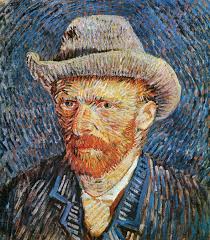
Historical accounts of artists such as Leonardo da Vinci and Vincent van Gogh describe intense focus on passion projects, difficulty completing administrative tasks, scattered notebooks filled with ideas and periods of explosive productivity.
Whether or not we retrospectively diagnose them, the pattern is familiar to many contemporary artists with ADHD:
-
Non-linear thinking
-
Hyperfocus on meaningful work
-
Emotional depth
-
High sensory awareness
-
Rapid idea generation
-
Difficulty with routine or structure
These traits have shaped artistic history.
The problem was never creativity.
The problem was support.
The Strengths of the Artist with ADHD
When artists search for an ADHD coach, they are often exhausted by years of self-criticism. They believe they lack discipline, or lack of cohesive style.
Yet in my experience working with creatives, artists with ADHD frequently possess extraordinary strengths:
1. Hyperfocus
When engaged, the ADHD brain can enter profound immersion. As a wildlife artist, I rely on this capacity when painting delicate feathers, the movement of pollinators or the subtle shifts of light across petals.
2. Pattern Recognition
ADHD minds often make unexpected connections. This fuels originality in composition, storytelling and symbolism.
3. Sensory Sensitivity
Heightened perception allows for richer colour work, stronger emotional tone and deeper ecological awareness in wildlife art.
4. Creative Risk-Taking
Impulsivity, when channelled correctly, leads to experimentation and distinctive artistic voice.
These are not weaknesses. They are professional assets.
Why So Many Talented Artists Struggle Professionally
Where many artists with ADHD struggle is not in the studio, but around it.
Common challenges include:
-
Starting projects despite strong vision
-
Completing work once novelty fades
-
Time management
-
Pricing artwork confidently
-
Marketing and online visibility
-
Administrative follow-through
-
Maintaining consistent output
- Confidence in feeding a cohesive marketable style
Without structure, even a talented artist can feel scattered, inconsistent or financially unstable.
This is often when an artist begins searching for an ADHD coach.
ADHD Coaching for Artists Is Not Generic Life Coaching
Artists require a different framework.
Standard productivity systems rarely work for the ADHD creative brain. Advice such as “just be more organised” or “stick to a routine” ignores the neurological realities of dopamine regulation and attention cycles.
As an ADHD coach for artists, and as a practising professional wildlife artist myself, I understand:
-
The cyclical nature of creative energy
-
The role of hyperfocus and burnout
-
The emotional intensity of artistic identity
-
The tension between structure and freedom
-
The business realities of selling original artwork
Effective ADHD coaching for creatives must integrate nervous system awareness, practical systems and respect for artistic flow.
Structure as a Creative Container
One of the greatest myths in the art world is that structure destroys creativity.
In truth, structure protects it.
When artists with ADHD develop:
-
Clear studio rituals
-
Manageable project timelines
-
External accountability
-
Sustainable marketing systems
-
Financial clarity
- Confidence within individual styles
their creativity expands rather than contracts.
In my own wildlife art career, professional structure allows me to produce detailed original oil paintings, maintain exhibitions and grow my collector base without creative collapse.
Structure is not rigidity.
It is containment for brilliance.
Rewriting the Narrative for Neurodivergent Artists
For generations, the “tortured artist” stereotype masked unsupported neurodivergence.
Today we know better.
The artist with ADHD is not broken, lazy or incapable. They are often highly intelligent, deeply intuitive and creatively gifted. What they require is informed guidance that works with their wiring.
When an artist works with an ADHD professional artist coach, they gain:
-
Strategic clarity
-
Personalised workflow systems
-
Confidence in pricing and visibility
-
Reduced overwhelm
-
Increased consistency
-
A sustainable creative career
This is not about changing who you are.
It is about building a professional life that matches your creative depth.
The Future Belongs to Divergent Minds
The art world is shifting. Audiences seek authenticity, ecological awareness and emotional truth.
Wildlife art, environmental storytelling and symbolic realism all require perceptive, sensitive minds. Many artists with ADHD are uniquely equipped for this.
The question is not whether you are talented enough.
The question is whether you have the right support structure.
If you are an artist with ADHD searching for guidance, know this: your creative intensity is not a liability. With the right coaching, it becomes your competitive advantage.
The 5 Biggest Challenges for the ADHD Artist
The 5 Biggest Challenges for the ADHD Artist
Creativity is not a straight line, it’s a pulse, a rhythm, a wild untamed collection of inspiration. For artists with ADHD, this creative rhythm can be both a blessing and a burden. The mind races with visions, stories, colours, and sensations, yet the same current that fuels inspiration can just as easily sweep one into chaos or exhaustion.
Understanding the patterns of an ADHD mind is not about fixing what is “wrong,” but honouring what is profoundly different. It’s about learning to work with the energy of divergence rather than against it.
Below are five of the most common challenges faced by the ADHD artist, along with ways to begin transforming them into part of your creative flow.
The Avalanche of Ideas
ADHD minds are highly associative, they make rapid, often unexpected connections between thoughts. This means ideas arrive in abundance, often faster than they can be captured. The result? A studio filled with half-finished canvases, notebooks brimming with potential, and a lingering sense of guilt for not “finishing.”
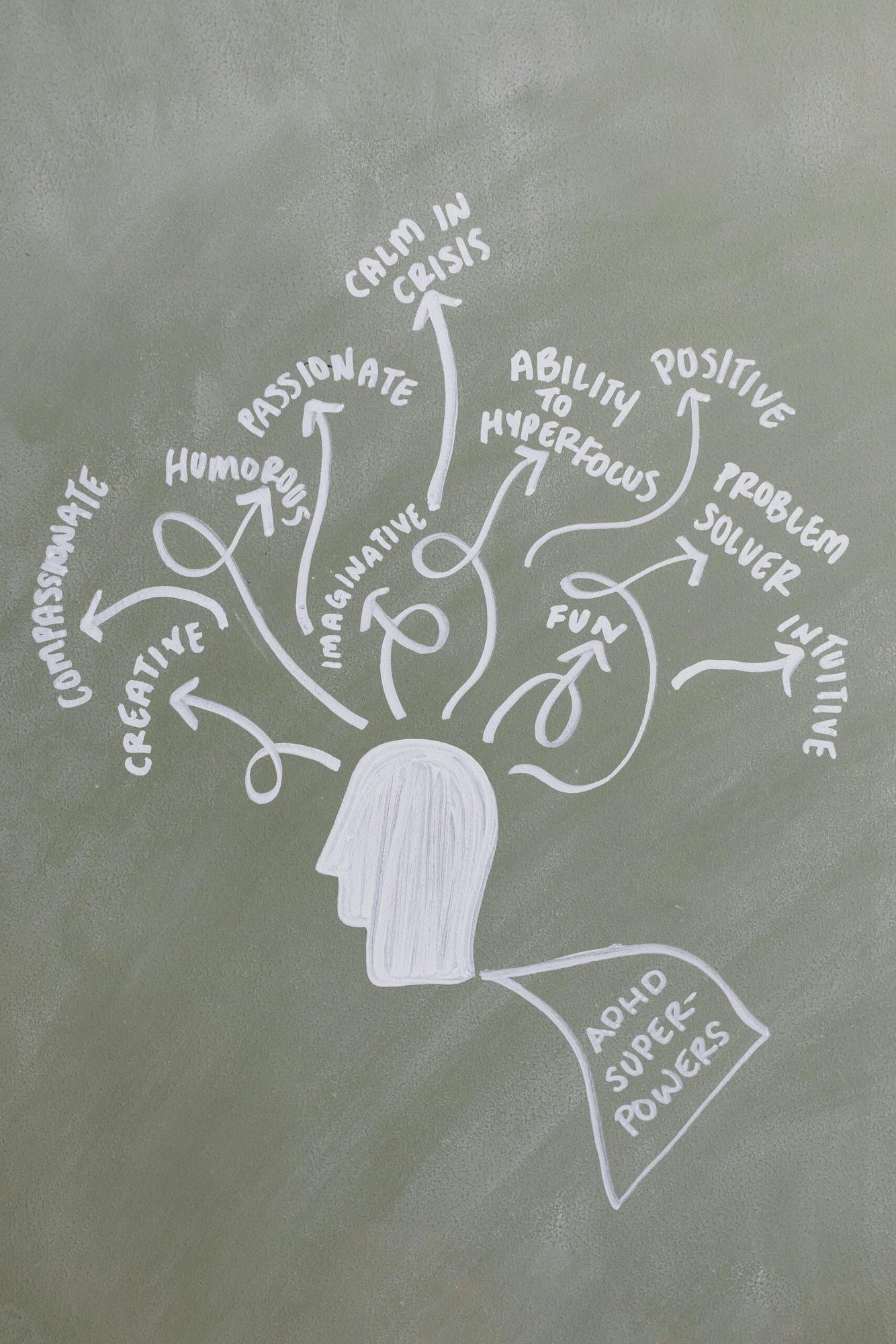
Reframe it: Your idea generation is a superpower. The challenge is not to stop the flow, but to learn how to channel it.
Time Blindness and Creative Overwhelm
For many ADHD artists, time is not linear, it stretches, collapses, and sometimes disappears altogether. Hours can vanish in a creative trance, or be lost in procrastination and paralysis. This makes deadlines, exhibitions, or even daily routines feel elusive.
Reframe it: Instead of fighting your sense of time, work with it. Use visual timers, gentle alarms, or rituals that bring you back into awareness. Break projects into “chapters,” not endless to-do lists. Honour your creative cycles, your time may not look conventional, but it can still be deeply productive.
The Emotional Rollercoaster
Artists with ADHD often feel everything intensely. Inspiration can feel like ecstasy, while rejection, boredom, or perceived failure can spiral into despair. This emotional intensity can lead to burnout or self-doubt if it isn’t consciously managed.
Reframe it: Your sensitivity is not a flaw; it is the source of your depth and empathy. Learn emotional regulation tools, breathwork, yoga, grounding walks, to return to centre. Allow your emotions to inform your art, not dominate your life.
Perfectionism and Paralysis
Paradoxically, many ADHD artists swing between impulsivity and perfectionism. The desire to create something extraordinary can paralyse progress entirely. You may start over repeatedly or abandon work because it doesn’t match the idealised vision in your mind.
Reframe it: Remember that art is process, not product. Each painting, sketch, or line of poetry is part of your unfolding expression. Try working in layers, embracing imperfection as a form of texture. Completion is not a compromise; it’s a conversation with the muse.
Inconsistent Energy and the Myth of Motivation
Some days, you are electric, painting until dawn, alive with purpose. Other days, even the thought of beginning feels impossible. ADHD energy cycles are unpredictable, and when misunderstood, they can fuel shame or self-criticism.
Reframe it: Flow, don’t force. On low-energy days, shift to gentle creative rituals, tidying the studio, sketching loosely, or mind mapping future projects. On high-energy days, ride the wave fully. The art is not in being consistent, but in learning to dance with your rhythm.
ADHD does not make you less of an artist, it makes you a different kind of artist. You are wired for wonder, attuned to the unseen, and capable of translating chaos into beauty. When you begin to understand how your unique mind works, you unlock an entirely new form of creative freedom, one that feels authentic, grounded, and deeply alive.
Sometimes, a gentle guiding hand can make all the difference. Working with a coach who understands the inner world of the ADHD artist can help turn frustration into focus, and sensitivity into strength. It’s not about changing who you are, but learning to create in harmony with how you are made.
The Art of Being Human: Why Creativity Matters More Than Ever
In times of uncertainty and global unrest, art often becomes our quiet rebellion, our sanctuary, and our bridge back to what is most human. As we navigate yet another wave of geopolitical tension and environmental fragility, the creative act feels not only restorative but essential, a kind of spiritual sustenance that nourishes both the individual and the collective soul.
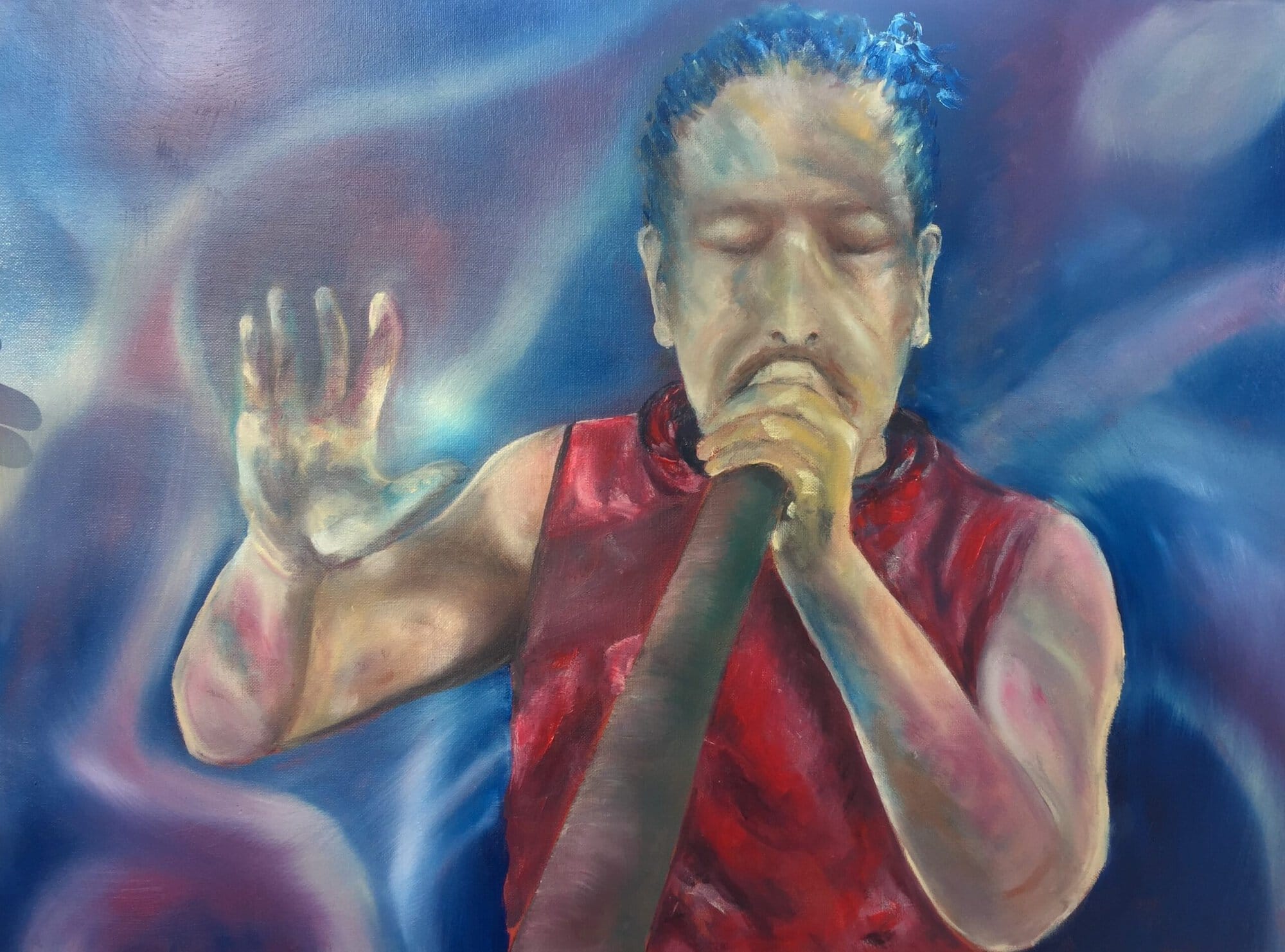
Art has always emerged from the heart of turbulence. When systems crumble, creativity reimagines. During the Renaissance, born from the ashes of the Middle Ages, artists like Leonardo da Vinci and Michelangelo reawakened humanity’s potential by uniting science, spirit, and aesthetics. Their works did not simply decorate palaces; they altered the way we saw ourselves in relation to the cosmos. Similarly, in the wake of the First World War, artists such as Paul Klee and Wassily Kandinsky translated the chaos of a fractured world into colour, form, and abstraction, seeking order, meaning, and spiritual renewal through painting.
Each epoch of human crisis has summoned artists to bear witness and to remind society that we are more than the conflicts we endure. Picasso’s Guernica remains one of the most potent anti-war statements ever created, a howl of anguish and moral defiance in paint. Frida Kahlo transformed personal suffering into visual poetry, revealing the universality of pain and resilience. Even the Impressionists, who may seem far removed from political upheaval, were quietly revolutionary: they defied the rigid structures of the Academy to honour the fleeting, luminous truth of direct experience.

Art, in all its forms, offers us something we cannot find in algorithms or policy, it reconnects us to empathy, imagination, and the mystery of being alive. Creativity dissolves the illusion of separation. When we paint, sculpt, dance, or write, we touch the same current that animates all life, a reminder that beauty and consciousness are not luxuries, but evolutionary necessities.
In our modern age, where media saturation and polarisation dominate the collective psyche, engaging with creativity becomes a radical act of presence. Making art invites us to slow down, to feel, to listen. It trains the nervous system to inhabit the moment fully, without escape. It reminds us that transformation, whether political, ecological, or spiritual always begins within.
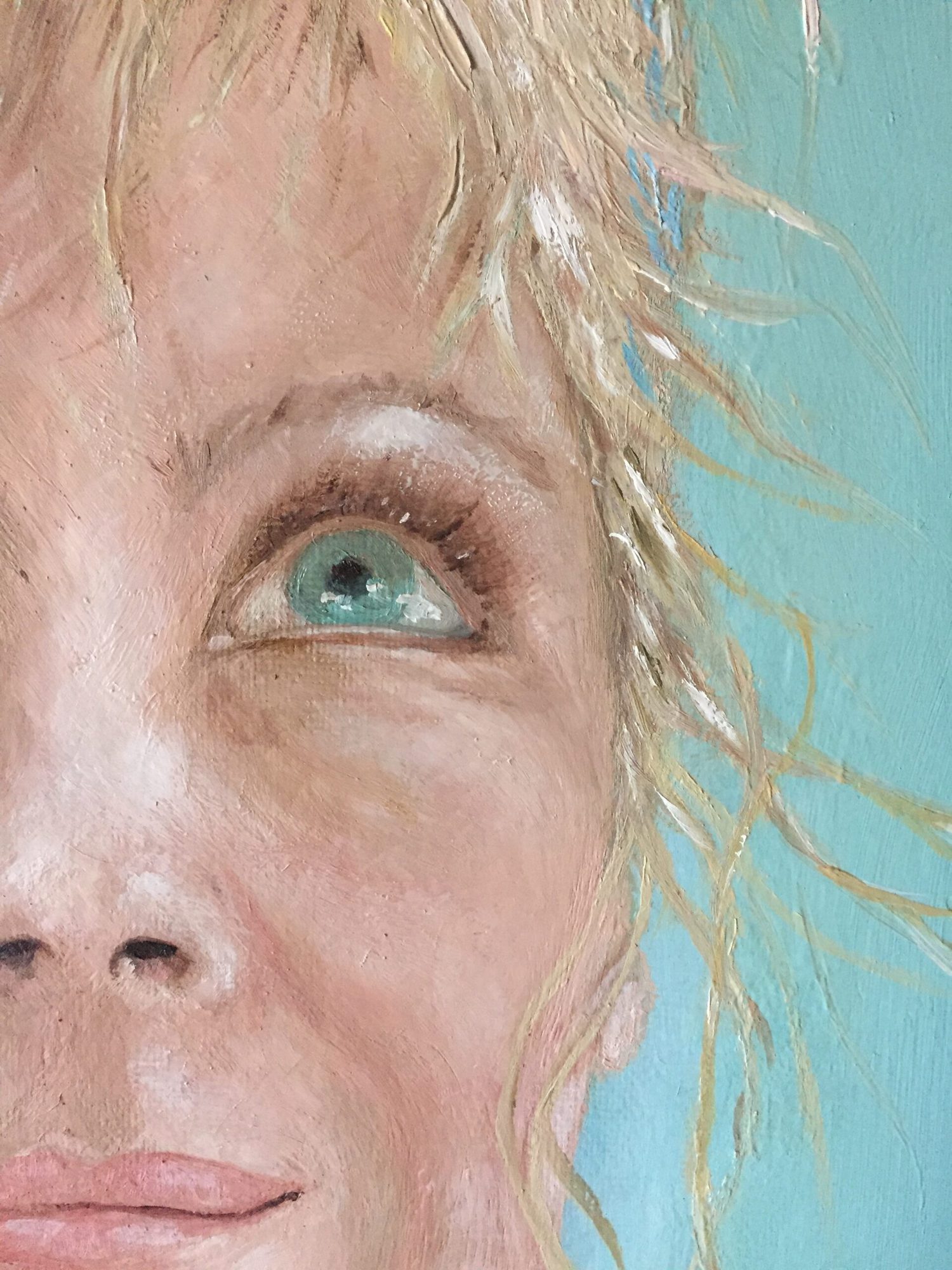
So, now more than ever, let us create. Not as escapism, but as devotion. Not as luxury, but as legacy.
To every artist, and maker: your work matters. In a world that so often values speed over stillness and profit over purpose, the act of creating is an act of remembrance. You are part of a lineage that stretches back through time, from the cave painters to the visionaries of today, each one weaving light into darkness, hope into despair. Honour your craft, trust your voice, and know that through your hands, spirit continues to move. Now, more than ever, the world needs what only you can bring.
The Beauty and Brilliance of the Neurodivergent Artist
The Beauty and Brilliance of the Neurodivergent Artist
I have always experienced the world a little differently. For years, I did not have the language to describe it, only the feeling that my thoughts moved in unusual patterns, that colours had weight, that silence was rarely empty, and that art was not something I chose to make, but something I had to make, a compulsion. Later, I learned the term neurodivergent, and with it came a quiet recognition: this was why the world felt so intense, and why my work was inseparable from the way my mind works.
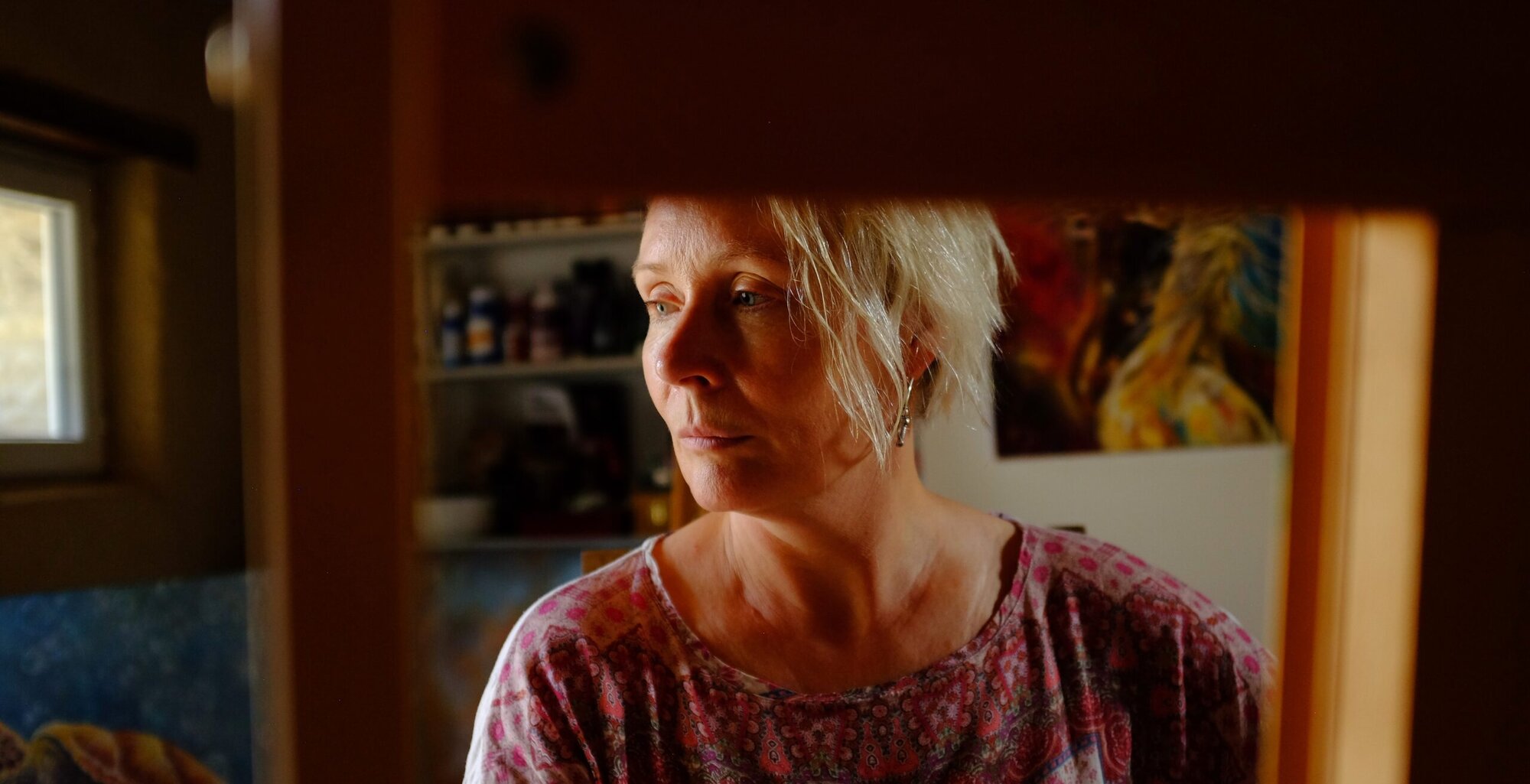
Being neurodivergent means my brain processes information in ways that do not always match the so-called “norm”. It also means my senses and thoughts are my constant companions in artmaking. When I look at a scene, I rarely just see it, I feel its temperature, its rhythm, its undercurrents. I notice the way shadows carry their own geometry, or how a colour can hum in the corner of my eye like a note held too long. These details find their way into my work, often without conscious intention.

When I am deep in a piece, time unravels. Hours pass without me noticing. I can become absorbed in a single angle, the tilt of a line, the layering of symbols until the canvas feels like it holds a secret only I can read. This level of immersion can be exhausting, yes, but it is also the place where my most honest work is born.
There is a rawness to creating in this way. My thoughts do not arrive in straight lines. Ideas leap and tangle, and I have learned to follow them, trusting that they will eventually weave into something whole. It can be messy and unpredictable, but it is also where the unexpected beauty emerges, connections that others might not see, ways of interpreting the world that slip past more linear thinking.
Of course, there are challenges. Crowded exhibitions leave me drained. The practical demands of being an artist, deadlines, marketing, tidy statements about messy ideas, can feel overwhelming. Sometimes people misread my working rhythms as a lack of discipline, not realising how much thought and energy lives beneath the surface. And there are times when the combination of passion, sensitivity, and perfectionism tips into burnout, leaving me silent for a while.
Neurotypical artists can certainly create with great depth and originality, but the way they move through their process is often more aligned with the systems the art world is built on. For me, art is not something I step into and out of easily. It is a way of processing the world, a language for emotions too layered to put into words, a map for navigating sensory and emotional intensity.
Over the years, I have found ways to work with my own rhythms, to honour the strange paths my mind takes, and to create an environment where I can thrive rather than simply endure. I have also seen how powerful it can be when neurodivergent artists recognise their own way of seeing as a gift rather than something to “fix”.

The world needs these perspectives. They shift how we see ourselves and each other. They break apart what is too rigid, and they remind us that there are infinite ways to translate human experience into form. For me, being a neurodivergent artist is not a limitation, it is the reason my art exists at all. And perhaps that is the quiet truth I hope people understand: the very things that make us different are often the source of our most important work. If you are an artist navigating ADHD and creative overwhelm, I offer one-to-one ADHD coaching for creatives. Lear more:
Stay Strong, Stay Balanced: How Yoga and Pilates Can Keep You Steady as You Age
Stay Strong, Stay Balanced: How Yoga and Pilates Can Keep You Steady as You Age
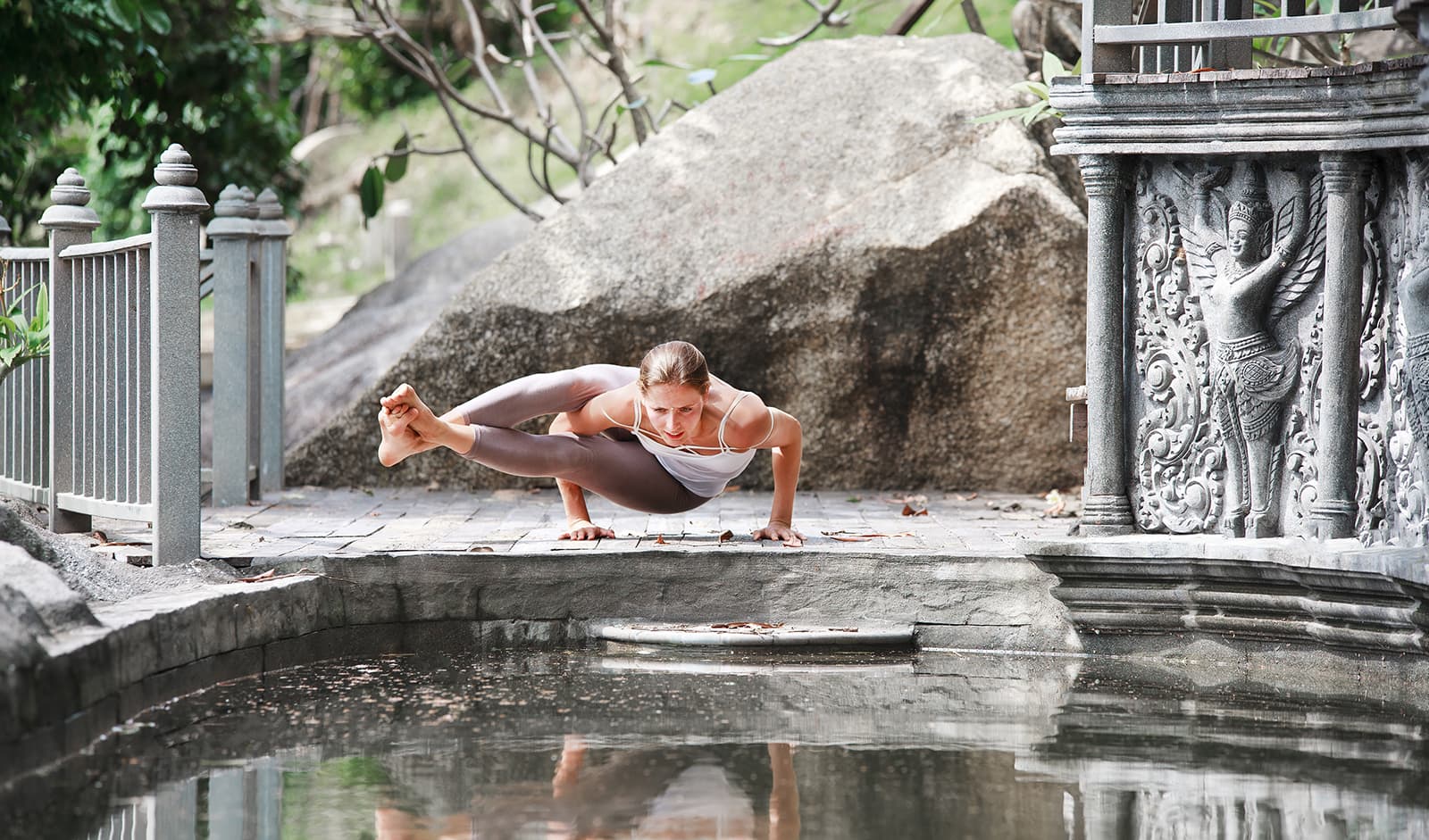
Stay Strong, Stay Balanced: How Yoga and Pilates Can Keep You Steady as You Age
As we age, maintaining balance becomes increasingly challenging. One of the primary reasons for this decline is the gradual loss of muscular strength, which directly affects our ability to stabilise and coordinate movements. In this blog post, we’ll explore why muscular strength is vital for maintaining balance, the specific muscle fibres that play a crucial role, and the types of physical activities that help preserve this essential function. We will also discuss whether it’s possible to regain balance after strength loss, why taking responsibility for our physical health is vital to longevity, and how creativity can support neurological health. Additionally, we’ll look at how a holistic approach, incorporating both physical and mental practices, can greatly enhance our overall stability and wellbeing.
Why Balance Declines with Age
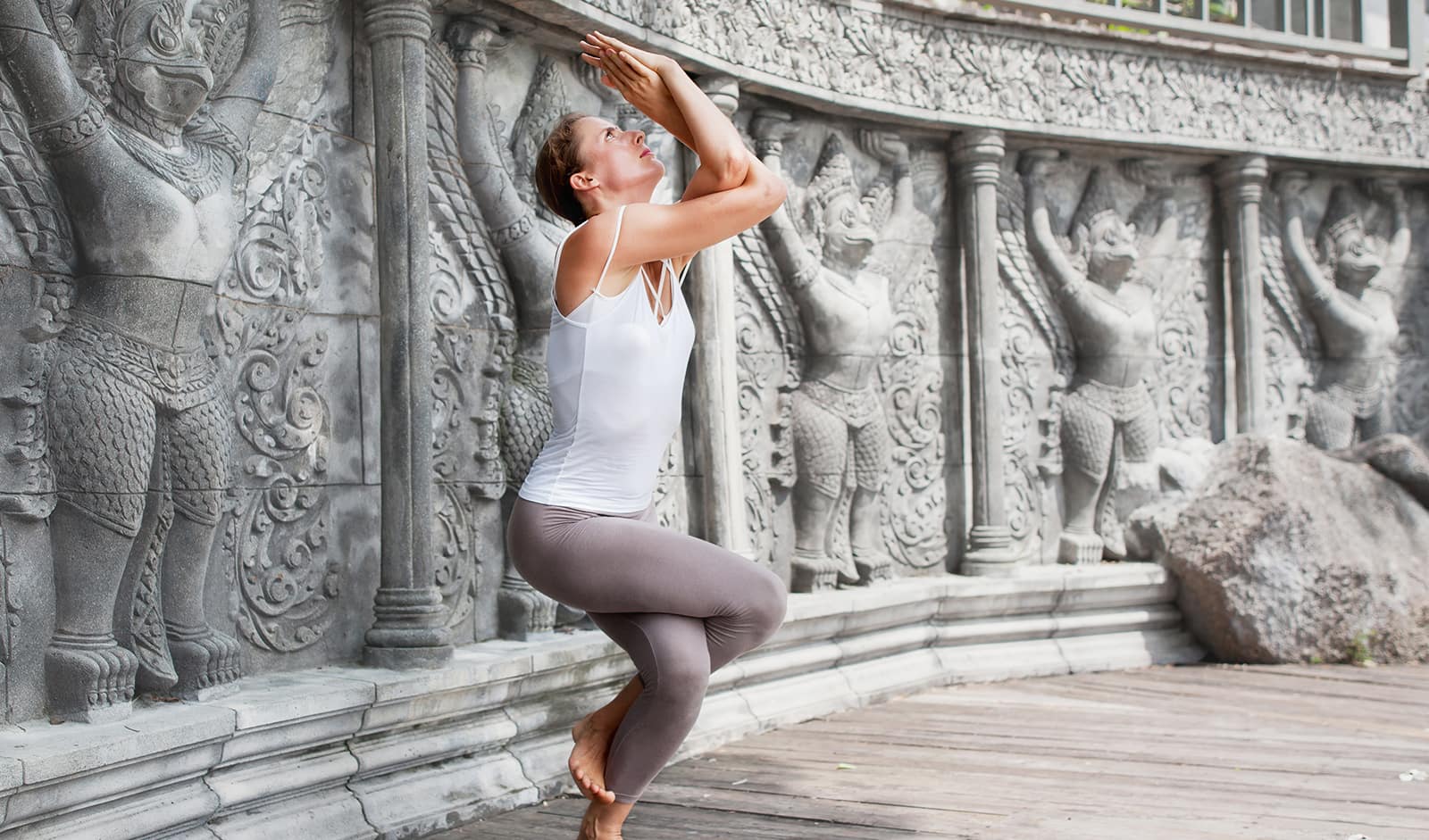
Ageing leads to a natural decline in muscle mass and strength, a condition known as sarcopenia. This process primarily affects fast-twitch muscle fibres (Type II), which are responsible for quick, powerful movements and are critical for maintaining balance. Additionally, neurological changes and reduced proprioception compound the challenge, leading to an increased risk of falling and a loss of mobility.
What Are Neurological Changes and Reduced Proprioception? Neurological changes refer to age-related declines in the brain and nervous system, including slower signal transmission between the brain and muscles. This delay affects our ability to make rapid adjustments to our posture, increasing the risk of falling.
Proprioception is the body’s ability to sense its position and movement in space. Reduced proprioception means a decreased awareness of where our limbs are positioned without looking at them, which can result in instability. This can be caused by joint degeneration, decreased muscle feedback, or neuropathy.
Can We Stop These Changes? While we cannot completely halt these age-related changes, we can slow them significantly. Regular exercise, particularly activities that challenge balance and coordination, helps maintain the nervous system’s efficiency. Practices like yoga, Tai Chi, and balance drills enhance proprioceptive feedback, while strength training helps maintain the muscle power needed to respond quickly to postural challenges.
How Creativity Supports Neurological Health Engaging in creative activities like painting, dance, and music can also help slow neurological decline. Creativity stimulates multiple areas of the brain, promoting neuroplasticity, which is the brain’s ability to form new connections. This adaptability helps maintain cognitive functions and can even enhance coordination and balance by keeping the brain agile. Practices like dynamic yoga and creative movement sequences not only challenge the body but also engage the mind, reinforcing the brain-body connection vital for stability.
Taking Responsibility for Longevity
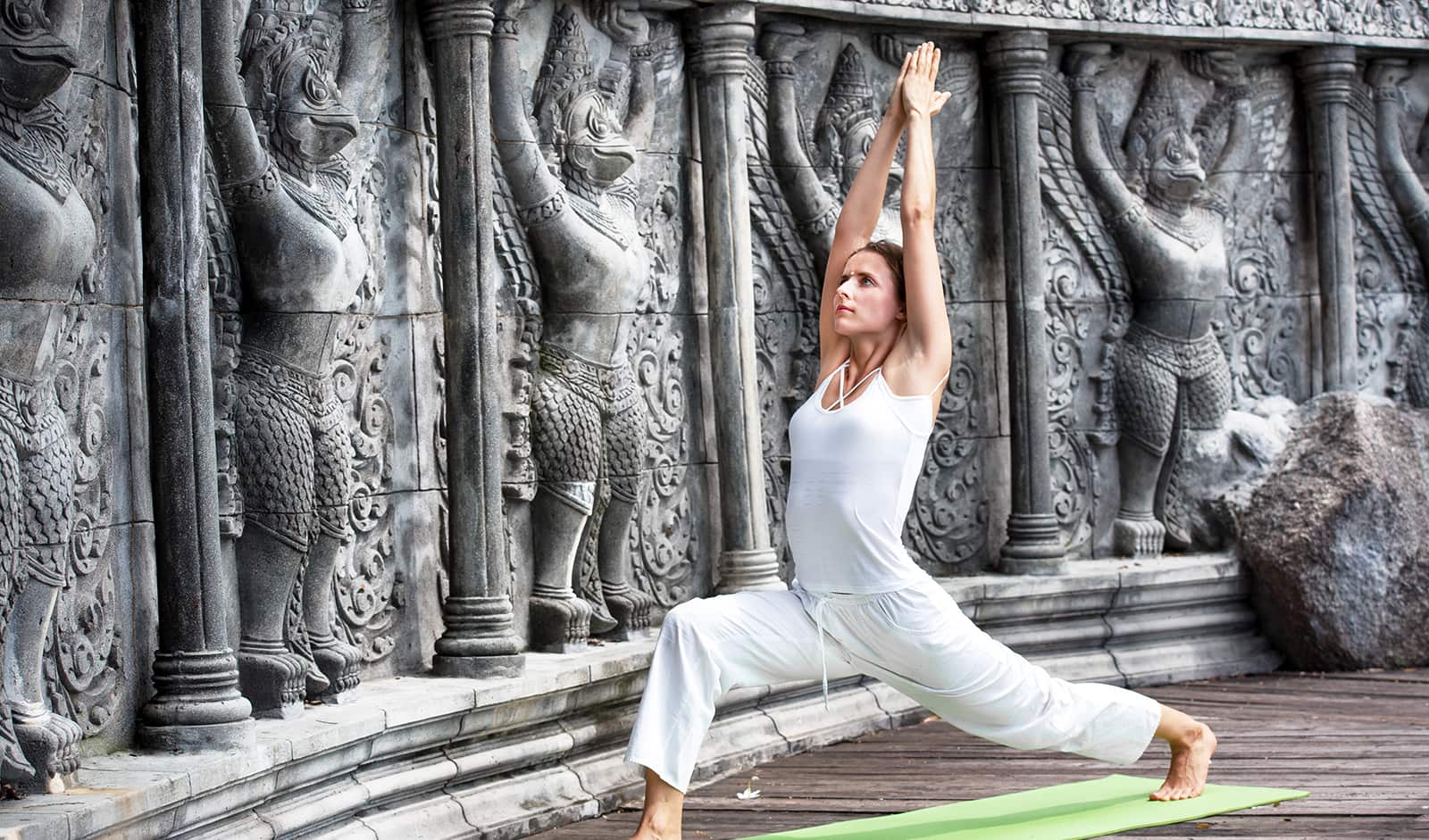
Stay Strong, Stay Balanced: How Yoga and Pilates Can Keep You Steady as You Age
One of the most empowering aspects of ageing is realising that we have the power to influence how well we age. Taking responsibility for our physical health is crucial for longevity, and maintaining muscular strength and balance is a fundamental part of that. By actively engaging in practices that preserve balance and strength, we not only reduce the risk of falling but also enhance our independence and quality of life.
Yoga plays a vital role in this process. It allows us to connect deeply with our bodies, noticing subtle shifts, weaknesses, and strengths. Unlike many other forms of exercise, yoga encourages mindful movement and self-awareness. This awareness highlights areas of weakness, giving us the opportunity to address them proactively rather than taking our physical abilities for granted. Pilates complements this by building core strength and control, directly impacting our ability to stabilise during everyday movements.
Holistic Practices to Support Balance
In addition to physical training, it is essential to take a holistic approach to balance. Practices that combine physical, mental, and emotional well-being are most effective in maintaining stability. Meditation and breathwork, when integrated with movement, help improve focus and coordination. Techniques like mindful walking or combining breath with movement during yoga flow routines can significantly enhance both physical and cognitive balance.
Nutrition and Balance
Nutrition also plays a pivotal role in maintaining muscle function and brain health. Consuming adequate protein supports muscle repair and maintenance, while omega-3 fatty acids found in flaxseeds and walnuts promote brain health. Staying hydrated is also crucial, as even mild dehydration can impair cognitive function and coordination. Including antioxidant-rich foods helps combat oxidative stress, which is linked to age-related neurological decline.
Can You Regain Balance After Losing It?
Stay Strong, Stay Balanced: How Yoga and Pilates Can Keep You Steady as You Age
The good news is that even if you have lost balance due to poor muscular strength, it is absolutely possible to restore it. The body has a remarkable ability to adapt when challenged consistently. By implementing a structured balance training programme that focuses on rebuilding muscle strength and improving neuromuscular coordination, significant improvements can be achieved. It may take time, but with dedication to consistent practice, balance and stability can be significantly enhanced.
Key strategies include:
- Strength Training: Targeting lower body muscles with exercises like squats and lunges.
- Dynamic Movement Training: Incorporating movements that involve quick shifts in weight or changes in direction.
- Neuromuscular Re-education: Using balance or dynamic yoga poses to challenge proprioception.
- Core Activation: Strengthening the core through Pilates and yoga to support spinal stability and reactive balance.
- Creative Movement: Integrating dynamic yoga flows and spontaneous movement into routines to keep the brain and body engaged.
- Mind-Body Integration: Practicing mindful movement through flow yoga sequences with breathe awareness.
Conclusion
Taking responsibility for your physical health as you age is essential for maintaining independence and well-being. By incorporating exercises that activate both fast- and slow-twitch muscle fibres, engaging in creative practices, maintaining proper nutrition, and focusing on enhancing proprioception and neurological coordination, we can significantly reduce the risk of falling and enhance overall mobility. Stay active, stay strong, stay creative, and keep balanced!
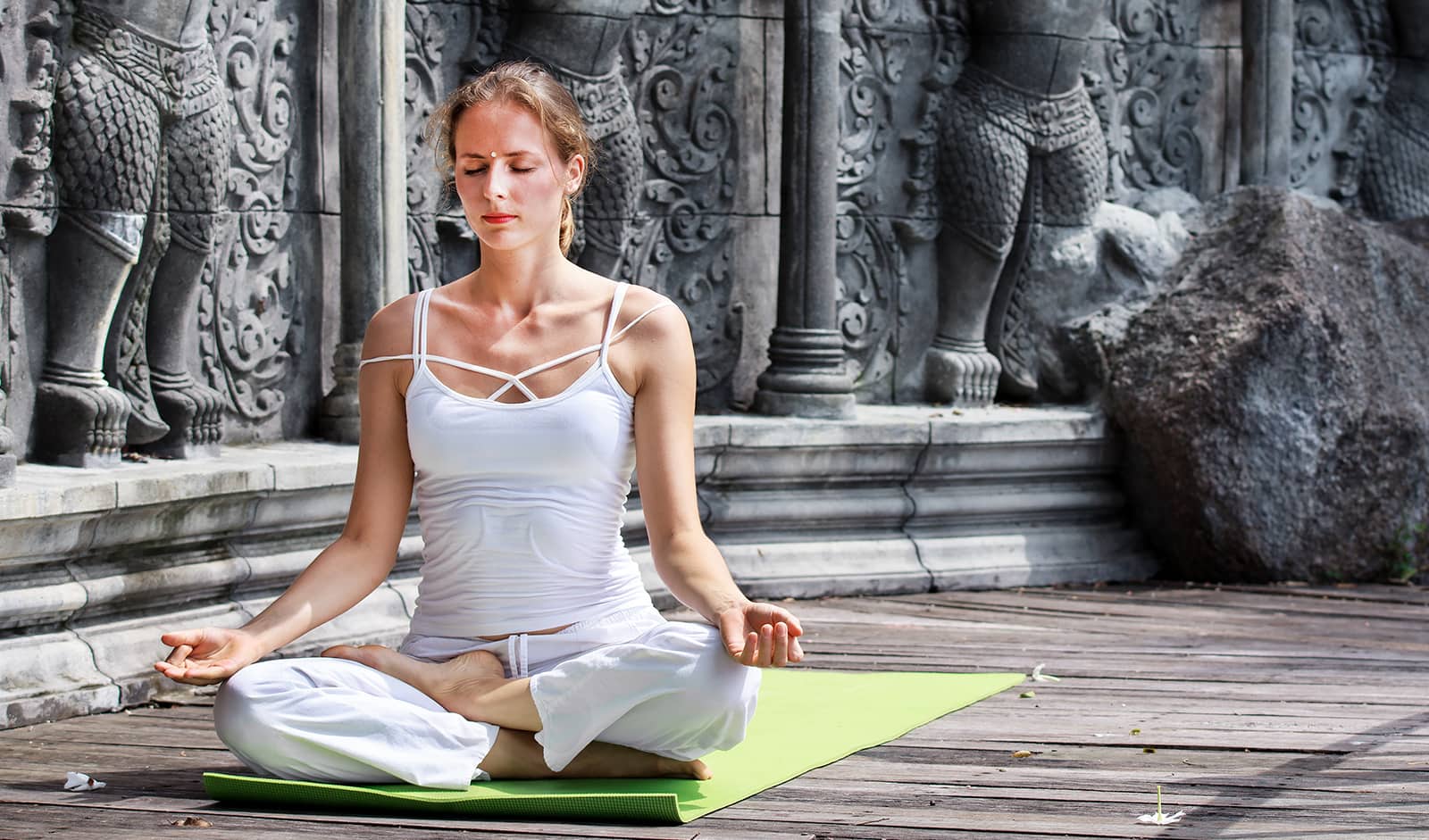
Stay Strong, Stay Balanced: How Yoga and Pilates Can Keep You Steady as You Age