
ADHD Coaching for Artists: The Hidden History of Creative Brilliance
ADHD Coaching For Artists: The Hidden History of Creative Brilliance
For centuries, the creative mind has been misunderstood.
Long before ADHD was formally recognised, artists were described as restless, obsessive, distracted, intense or wildly prolific. Today, many of those historical creatives might well have been identified as neurodivergent.
As both a professional wildlife artist and an ADHD coach for artists, I see this pattern repeatedly. The very traits that can make traditional careers difficult are often the same traits that generate artistic innovation.
This is not a deficit story. It is a reframing.
A Brief History of Creatives and ADHD Traits
ADHD as a diagnosis is modern. The creative temperament is not.
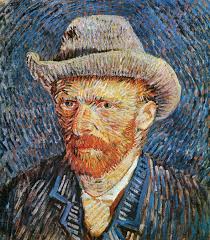
Historical accounts of artists such as Leonardo da Vinci and Vincent van Gogh describe intense focus on passion projects, difficulty completing administrative tasks, scattered notebooks filled with ideas and periods of explosive productivity.
Whether or not we retrospectively diagnose them, the pattern is familiar to many contemporary artists with ADHD:
-
Non-linear thinking
-
Hyperfocus on meaningful work
-
Emotional depth
-
High sensory awareness
-
Rapid idea generation
-
Difficulty with routine or structure
These traits have shaped artistic history.
The problem was never creativity.
The problem was support.
The Strengths of the Artist with ADHD
When artists search for an ADHD coach, they are often exhausted by years of self-criticism. They believe they lack discipline, or lack of cohesive style.
Yet in my experience working with creatives, artists with ADHD frequently possess extraordinary strengths:
1. Hyperfocus
When engaged, the ADHD brain can enter profound immersion. As a wildlife artist, I rely on this capacity when painting delicate feathers, the movement of pollinators or the subtle shifts of light across petals.
2. Pattern Recognition
ADHD minds often make unexpected connections. This fuels originality in composition, storytelling and symbolism.
3. Sensory Sensitivity
Heightened perception allows for richer colour work, stronger emotional tone and deeper ecological awareness in wildlife art.
4. Creative Risk-Taking
Impulsivity, when channelled correctly, leads to experimentation and distinctive artistic voice.
These are not weaknesses. They are professional assets.
Why So Many Talented Artists Struggle Professionally
Where many artists with ADHD struggle is not in the studio, but around it.
Common challenges include:
-
Starting projects despite strong vision
-
Completing work once novelty fades
-
Time management
-
Pricing artwork confidently
-
Marketing and online visibility
-
Administrative follow-through
-
Maintaining consistent output
- Confidence in feeding a cohesive marketable style
Without structure, even a talented artist can feel scattered, inconsistent or financially unstable.
This is often when an artist begins searching for an ADHD coach.
ADHD Coaching for Artists Is Not Generic Life Coaching
Artists require a different framework.
Standard productivity systems rarely work for the ADHD creative brain. Advice such as “just be more organised” or “stick to a routine” ignores the neurological realities of dopamine regulation and attention cycles.
As an ADHD coach for artists, and as a practising professional wildlife artist myself, I understand:
-
The cyclical nature of creative energy
-
The role of hyperfocus and burnout
-
The emotional intensity of artistic identity
-
The tension between structure and freedom
-
The business realities of selling original artwork
Effective ADHD coaching for creatives must integrate nervous system awareness, practical systems and respect for artistic flow.
Structure as a Creative Container
One of the greatest myths in the art world is that structure destroys creativity.
In truth, structure protects it.
When artists with ADHD develop:
-
Clear studio rituals
-
Manageable project timelines
-
External accountability
-
Sustainable marketing systems
-
Financial clarity
- Confidence within individual styles
their creativity expands rather than contracts.
In my own wildlife art career, professional structure allows me to produce detailed original oil paintings, maintain exhibitions and grow my collector base without creative collapse.
Structure is not rigidity.
It is containment for brilliance.
Rewriting the Narrative for Neurodivergent Artists
For generations, the “tortured artist” stereotype masked unsupported neurodivergence.
Today we know better.
The artist with ADHD is not broken, lazy or incapable. They are often highly intelligent, deeply intuitive and creatively gifted. What they require is informed guidance that works with their wiring.
When an artist works with an ADHD professional artist coach, they gain:
-
Strategic clarity
-
Personalised workflow systems
-
Confidence in pricing and visibility
-
Reduced overwhelm
-
Increased consistency
-
A sustainable creative career
This is not about changing who you are.
It is about building a professional life that matches your creative depth.
The Future Belongs to Divergent Minds
The art world is shifting. Audiences seek authenticity, ecological awareness and emotional truth.
Wildlife art, environmental storytelling and symbolic realism all require perceptive, sensitive minds. Many artists with ADHD are uniquely equipped for this.
The question is not whether you are talented enough.
The question is whether you have the right support structure.
If you are an artist with ADHD searching for guidance, know this: your creative intensity is not a liability. With the right coaching, it becomes your competitive advantage.