
Uncategorized
Unlocking the Soul
Unlocking the Soul: The Psoas Muscle and Its Spiritual and Creative Significance
In the deep centre of your body, there exists a muscle that is often overlooked yet profoundly influential: the psoas. Nestled deep within the abdomen, this muscle connects the spine to the legs and plays a pivotal role in our physical stability and mobility. However, the psoas is more than just a structural element; it has been dubbed the "muscle of the soul" for its deep connection to our emotions, creativity, and spiritual well-being. Let’s explore this fascinating muscle and its multifaceted significance in our creative and spiritual lives.
The psoas muscle is unique in its anatomy. It is the only muscle that connects the spine to the legs, creating a bridge between our upper and lower bodies. This physical connection mirrors the relationship between our thoughts and feelings, our dreams and actions. When we think of the psoas, we can envision it as a conduit of energy, a channel through which our physical existence and emotional experiences flow.

It is here that we may hold onto fear, anxiety, and unresolved trauma. When faced with stress or emotional upheaval, the body instinctively tenses, and the psoas often bears the brunt of this reaction by bracing itself. This tension can manifest as tightness or discomfort in the lower back, hips, glutes or even digestive problems, all of which can lead to a range of chronic physical ailments.
But what does this mean on a spiritual level? The psoas serves as a reminder of our past experiences, both positive and negative. When we learn to release the tension held in this muscle, we create space for emotional healing and transformation. This release allows us to reconnect with our true selves, facilitating a more profound spiritual awakening, and connecting to our innate creativity.
Creativity is often seen as a spontaneous, free-flowing expression of the soul. However, many creators struggle with blocks that inhibit this flow. Interestingly, the psoas is linked to our creative energy. When the psoas is tight or constricted, it can manifest as creative stagnation. In contrast, when the psoas is relaxed and open, it allows for the free movement of energy, inspiring artistic expression and innovation.
Practices such as yoga, dance, and mindful movement can help to release the tension in the psoas, allowing for greater freedom of expression. In these moments of liberation, we may find ourselves more in tune with our intuition and creativity, unlocking the gates to new realms of inspiration.
In many spiritual traditions, the body is viewed as a microcosm of the universe. The psoas, as a powerful muscle of connection, serves as a bridge between our physical and spiritual selves. When we consciously engage with this muscle, we invite a deeper exploration of our inner landscape.
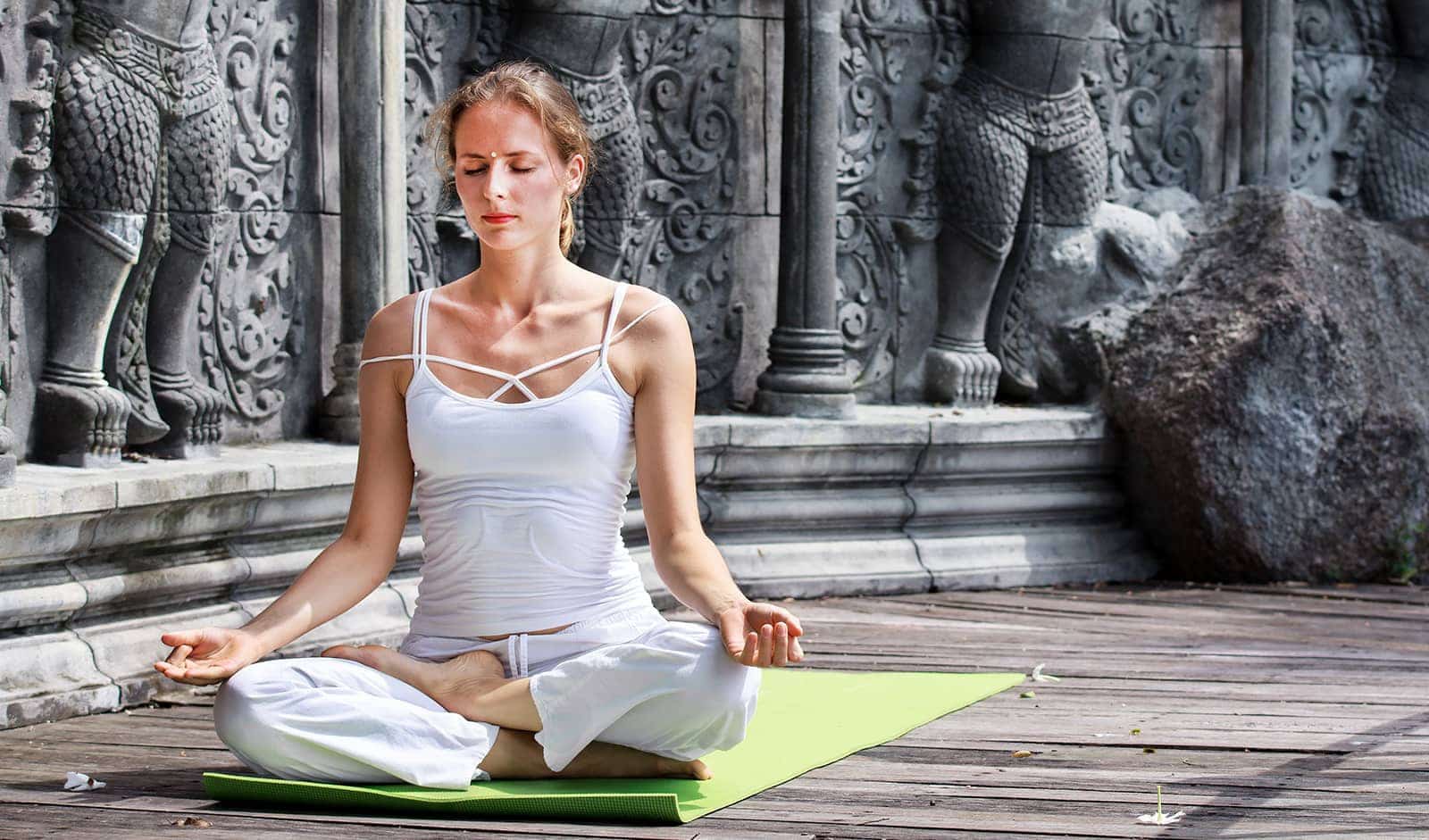
Meditation and breathwork focused on the psoas can help us cultivate awareness of our emotional and spiritual states. Visualising energy flowing freely through the psoas can facilitate healing, allowing us to release what no longer serves us. This practice can be transformative, leading to greater self-awareness and a more profound connection to our life’s purpose. As we embark on the journey of understanding the psoas muscle, we recognise it as a powerful ally in our quest for emotional balance and spiritual enlightenment. By nurturing this muscle through movement, breath, and mindfulness, we can access a deeper understanding of ourselves, unlocking the potential for healing, creativity, and connection to our soul.
The psoas is not just a muscle; it is a gateway to our emotional and spiritual selves. By honouring its significance, we create space for healing and transformation. So the next time you feel tension in your lower back or hips, take a moment to breathe into your psoas. Embrace your ability to release deep tension, and allow your innate creativity too dance freely.
The Neurodivergent Mind: ADHD and Creativity
ADHD and Creativity:
Attention Deficit Hyperactivity Disorder (ADHD) has long been a subject of fascination and study, particularly in how it influences creativity.
Many artists, and writers; including myself, have reported experiencing ADHD traits, often attributing their unique perspectives and innovative ideas to their neurodivergent thinking. In this blog post, we will explore the intricate relationship between ADHD and artistic creativity, examining both the positive and negative impacts of this intersection.
The Dual Nature of ADHD and Creativity:
Research indicates that individuals with ADHD often possess heightened creativity and divergent thinking skills. According to a study published in the journal Creativity Research Journal, individuals with ADHD may excel in brainstorming and generating novel ideas due to their ability to think outside the box and make unique connections between seemingly unrelated concepts (Bledowski et al., 2018). This unconventional thought process can be particularly beneficial in artistic fields, where innovation and originality are highly prized. Many famous artists and creators have often been open about their ADHD diagnoses. For example, renowned figures such as Vincent van Gogh and Andy Warhol exhibited traits consistent with ADHD (Barkley, 2006). The impulsivity and hyperactivity associated with ADHD can lead to spontaneous bursts of creativity, allowing artists to explore new mediums, themes, and techniques without the constraints of conventional thinking.
Divergent thinking is a cognitive process often characterized by the generation of multiple answers or solutions to a problem. This type of thinking is crucial for creativity. Individuals with ADHD often exhibit strong divergent thinking skills, which can lead to innovative ideas and unique artistic expressions. This ability to think broadly allows artists to explore various concepts and themes that others might overlook. A study published in the journal Creativity Research Journal highlighted that individuals with ADHD often show a preference for creative tasks over analytical tasks, indicating a natural inclination towards imaginative work (Kaufman & Baer, 2004). This can manifest in various forms of art, from visual arts to music and performance.
On the flip side, ADHD can present significant challenges that may impede the creative process. Issues related to attention regulation, organization, and time management can lead to difficulties in completing projects or maintaining a consistent creative practice. A study published in the Journal of Attention Disorders found that individuals with ADHD often struggle with executive functioning, which can hinder their ability to plan and execute artistic endeavours (Barkley et al., 2008).
The emotional dysregulation associated with ADHD can lead to feelings of frustration, anxiety, or self-doubt. These emotional hurdles may stifle creativity, making it difficult for artists to channel their thoughts and emotions into their work. Many artists with ADHD report that their emotional experiences are heightened, which can lead to profound artistic insights. This emotional intensity can serve as a powerful source of inspiration. For instance, the feelings of joy, frustration, or sadness experienced by individuals with ADHD can translate into deeply resonant art that connects with audiences on an emotional level. However, this emotional intensity can also be a double-edged sword. While it can fuel creativity, it can also lead to emotional overwhelm, making it difficult for artists to create consistently.
As an artist and author this is something that I can identify with, and understanding the traits has allowed me to work more efficiently, and more importantly be kind and compassionate to myself in period of dysregulation. As a professional artist one cannot simply wait for inspiration to magically appear before we create, however, placing schedules and constraints on someone with ADHD is counter productive. It took me a long time and a lot of anxiety before I realised why some days my paintings or writing would flow and fill me with great joy, and other days I would be racked with self doubt and anxiety, which would keep me frozen and incapable of creating something that reflected my intuitive style. On days where I am hyper focused I am extremely productive, these are the days I loose myself within my art or my writing. The downside of these days of hyperfocus is that you are completely consumed by the project, and it fills each moment, each thought and each internal conversation. This can be very challenging for loved ones because we may seems ‘obsessed’ or distant. One effective strategy I use for managing ADHD symptoms is my daily practice of yoga and meditation. Numerous studies have highlighted the benefits of yoga and meditation for individuals with ADHD, suggesting that it can help improve attention, reduce hyperactivity, and enhance emotional regulation (Cramer et al., 2014).
Yoga and meditation has helped me create a state of focused awareness that has helped me centre my thoughts and reduce distractions. By practicing mindfulness through yoga, we can cultivate a deeper sense of presence in our creative work. Research published in the journal Art Therapy indicates that mindfulness practices can enhance artistic expression and improve overall well-being (Coholic et al., 2013).
The emotional regulation benefits of yoga and meditation can also play a significant role in supporting artists with ADHD. By engaging in regular yoga practice, we may find it easier to manage negative emotions and anxiety, allowing us to tap into our creative flow more freely. This emotional balance can facilitate a more enjoyable and fulfilling creative process.
Mindfulness is a core component of yoga that encourages individuals to remain present in the moment. This can be particularly helpful for artists with ADHD, who may struggle with racing thoughts and distractions. Practicing mindfulness through yoga can help artists cultivate the state of flow, a term coined by psychologist Mihaly Csikszentmihalyi to describe a mental state where individuals are fully immersed in an activity. Achieving a flow state can enhance creativity, allowing artists to produce work more effortlessly.

As mentioned above, for many artists, establishing a consistent creative routine can be challenging due to ADHD-related difficulties. Incorporating yoga into a daily schedule can provide structure and stability, making it easier for artists to commit to their creative endeavours. The physical and mental discipline gained from yoga can translate into improved focus and productivity in artistic pursuits.
By embracing the dual nature of ADHD and integrating mindfulness practices like yoga into our routines, we can cultivate a harmonious relationship with our creativity, turning perceived limitations into powerful sources of inspiration.
By understanding the interrelation between ADHD, creativity, and tools like yoga, artists can navigate their unique journeys with greater insight and support. Whether through spontaneous bursts of inspiration or the calming practices of yoga, the artistic path remains rich, diverse, and profoundly rewarding.
As we continue to explore the neurodiverse landscape of creativity, it’s essential to recognize that each artist’s journey is unique. With the right tools and strategies, including yoga and meditation, individuals with ADHD can harness their creativity, turning potential obstacles into sources of inspiration and innovation.
References:
Barkley, R. A. (2006). Attention Deficit Hyperactivity Disorder: A Handbook for Diagnosis and Treatment. Guilford Press.
Barkley, R. A., Fischer, M., Smallish, L., & Fletcher, K. (2008). Young Adult Outcome of Hyperactive Children: Adaptive Functioning in the Transition to Adulthood. Journal of Attention Disorders, 11(6), 759-769.
Bledowski, C., et al. (2018). Creativity in Attention Deficit Hyperactivity Disorder: A Review of the Literature. Creativity Research Journal, 30(1), 1-10.
Coholic, D. A., et al. (2013). The Effects of Art Therapy on the Emotional Well-Being of Children with Attention Deficit Hyperactivity Disorder. Art Therapy, 30(1), 49-54.
Cramer, H., Lauche, R., Langhorst, J., & Dobos, G. (2014). Yoga for Attention Deficit Hyperactivity Disorder: A Systematic Review and Meta-Analysis. Journal of Attention Disorders, 18(8), 673-680.
Further Exploration For those interested in exploring this topic further, consider looking into:
Books: “The Creative Advantage: How to Improve Your Life with Mindfulness and Creativity” by K. A. Smith and “The Artist’s Way” by Julia Cameron, which provides insights into nurturing creativity.
Workshops: Many communities offer yoga classes specifically tailored for individuals with ADHD, integrating mindfulness and creative expression.
Art Therapy: Engaging with a licensed art therapist can offer additional support in navigating the complexities of ADHD and enhancing artistic expression.
Photo credit:
Pixabay
Steve Jonhson
Toa Heftlba Sinca
Andrea Placquadlo
Jo Bingham
The Emotional Connection with Colour
The Emotional Connection with Colour.
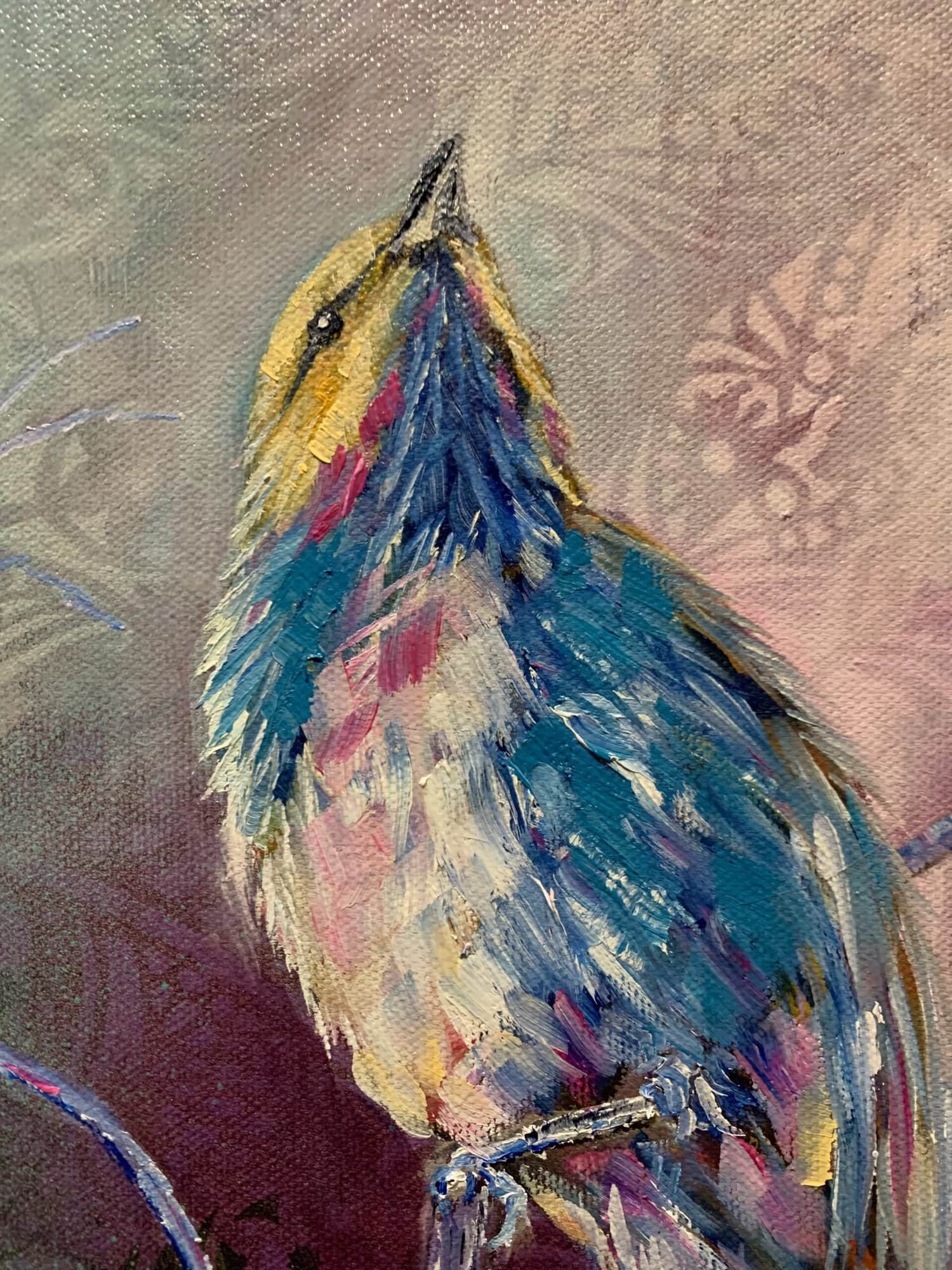
Vibrant Art by Tandy Pengelly
As a professional artist and yoga teacher, my life is spent focusing on exploration and creative self-discovery. Every brushstroke on canvas, every pose on the mat, is a manifestation of my journey through the emotional landscapes that colours evoke. Each hue speaks a language of its own, resonating with the soul in ways that words often fail to express.
Today, I invite you to explore with me the profound emotional connection we share with colour.
When I first began my artistic journey, I was captivated not only by the physical properties of colour but by the emotional undercurrents they carry.
Red, for instance, pulses with energy and passion, igniting the heart and evoking feelings of love or anger.
Blue, on the other hand, wraps around you like a cool breeze, bringing serenity and calm.
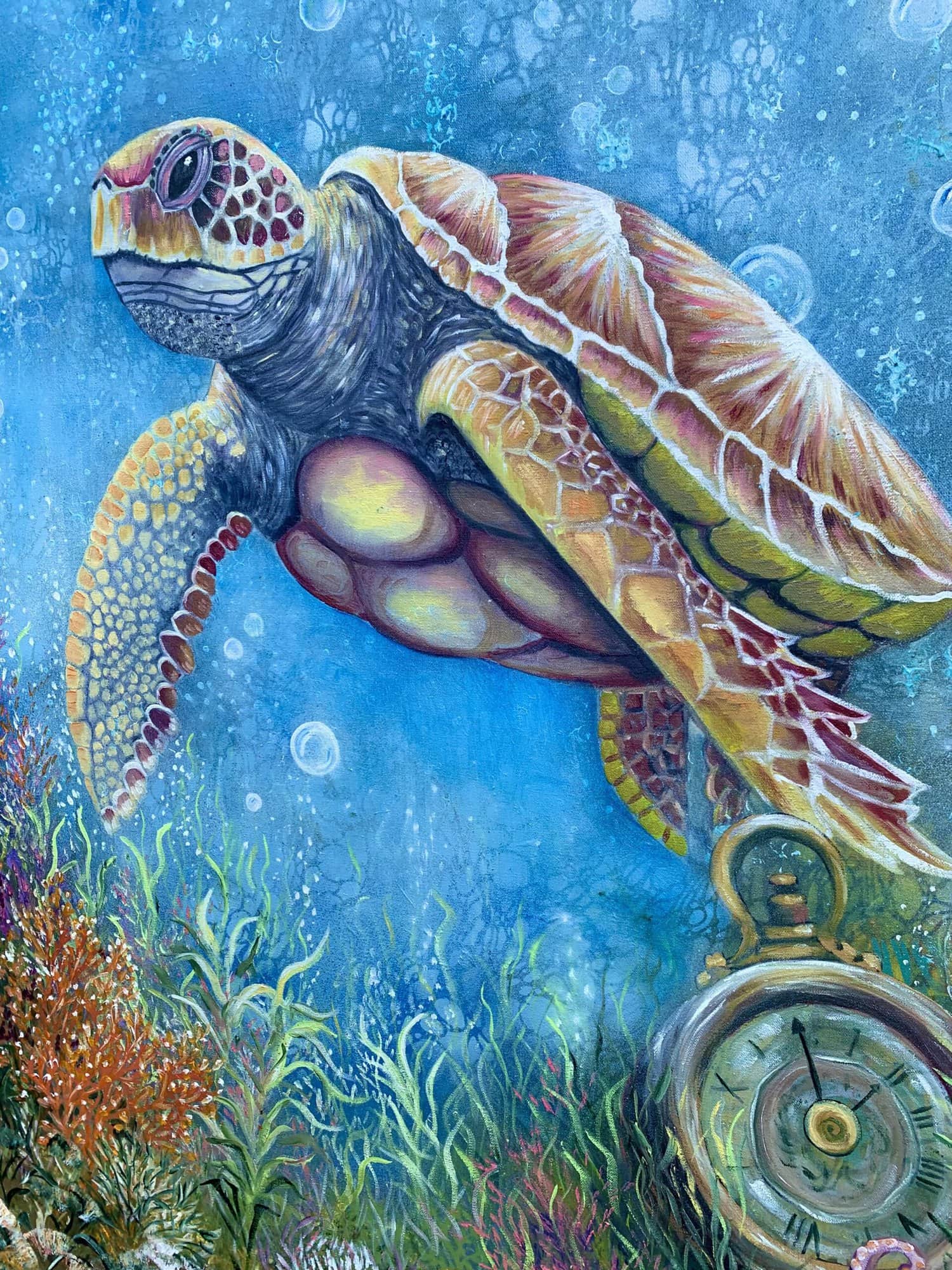
Artwork by Tandy Pengelly
Each colour holds its own story, its own emotional weight, and understanding this has transformed how I create and connect with my work. As an explorer archetype, I constantly seek new horizons, both in my art and within myself. This exploratory nature extends to my relationship with colour. I experiment with shades and combinations, allowing my intuition to guide me. The process often feels like a dance, where I surrender to the rhythm of emotion that each colour elicits. In this way, colour becomes a form of expression, a way to communicate feelings that sometimes feel too intricate to articulate.
Yoga has taught me the importance of presence, of being aware of the body, mind, and spirit in the moment. This practice has deepened my emotional connection with colour, allowing me to explore how colours resonate within me as I move and breathe. When I transition from one pose to another, I visualize colours flowing through my body, each hue representing a different emotion. As I inhale, I draw in the vibrant energy of orange, representing creativity and joy. As I exhale, I let go of the heaviness of grey, allowing it to dissipate into the air. Combining art and yoga has created a unique synergy in my life.
In moments of stillness during a yoga session, I often find inspiration for my next piece. The colours I envision are a reflection of my emotional state, and this connection allows me to infuse my artwork with authenticity.
When I paint, I channel the feelings I’ve cultivated on the mat, and in turn, the colours I choose influence my mood and energy.

In my experience, colour holds immense power. It has the ability to heal, to uplift, and to transform. In both my art and yoga practice, I have witnessed how colour can create an emotional response, whether in myself or in those who engage with my work. The soft pastels of a sunrise painting evoke a sense of hope and renewal, while the bold, chaotic strokes of an abstract piece might awaken feelings of turmoil or excitement.
I believe that embracing the full spectrum of colour is a path to self-acceptance. Just as we experience a range of emotions, joy, sadness, anger, and peace, our relationship with colour mirrors this complexity. Each colour tells a story, and by embracing them all, we allow ourselves to acknowledge the entirety of our human experience. As I continue to explore the world of colour, both on and off the canvas, I invite you to join me in this journey. Allow yourself to feel, to express, and to connect with the emotional power of colour in your own life. Whether through art, yoga, or simply by observing the world around you, embrace the vibrant hues that resonate with your spirit. Let us celebrate the beauty of colour together, for it is not just a visual experience, it is an emotional journey that connects us all.
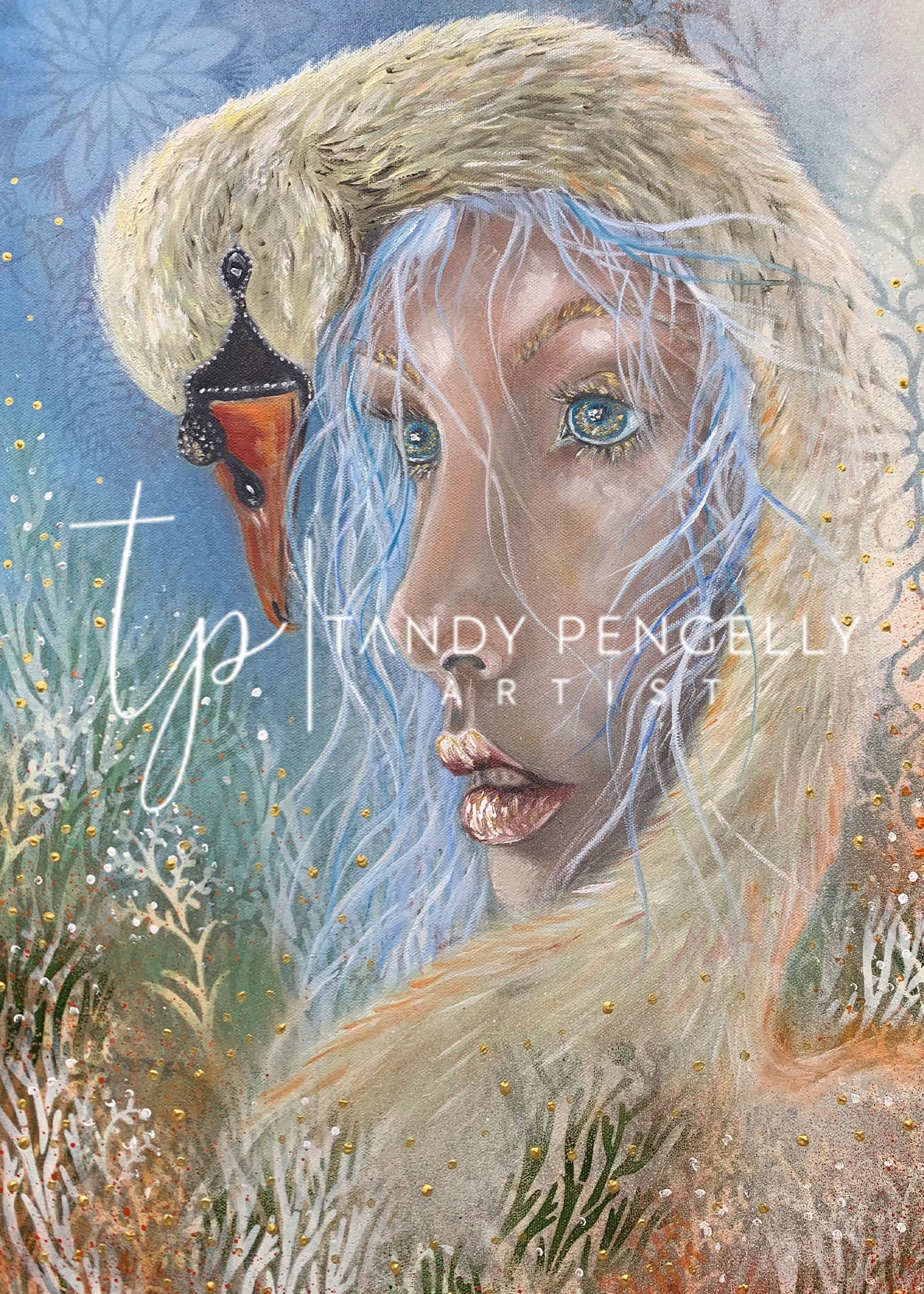
Ethereal Harmony
With love and light,
Tandy xoxo
What Does it Mean to Honour Your Artistic Voice?
Honouring Your Artistic Voice: The Key to Fulfilment and Success for Artists
As artists, we often find ourselves navigating a complex world filled with trends, expectations, and the desire for recognition. It's easy to get swept up in the currents of what’s popular or what others deem “marketable.” However, one crucial truth remains: honouring your individual artistic voice is not just important, it's essential for your growth, fulfilment, and success as a creator.
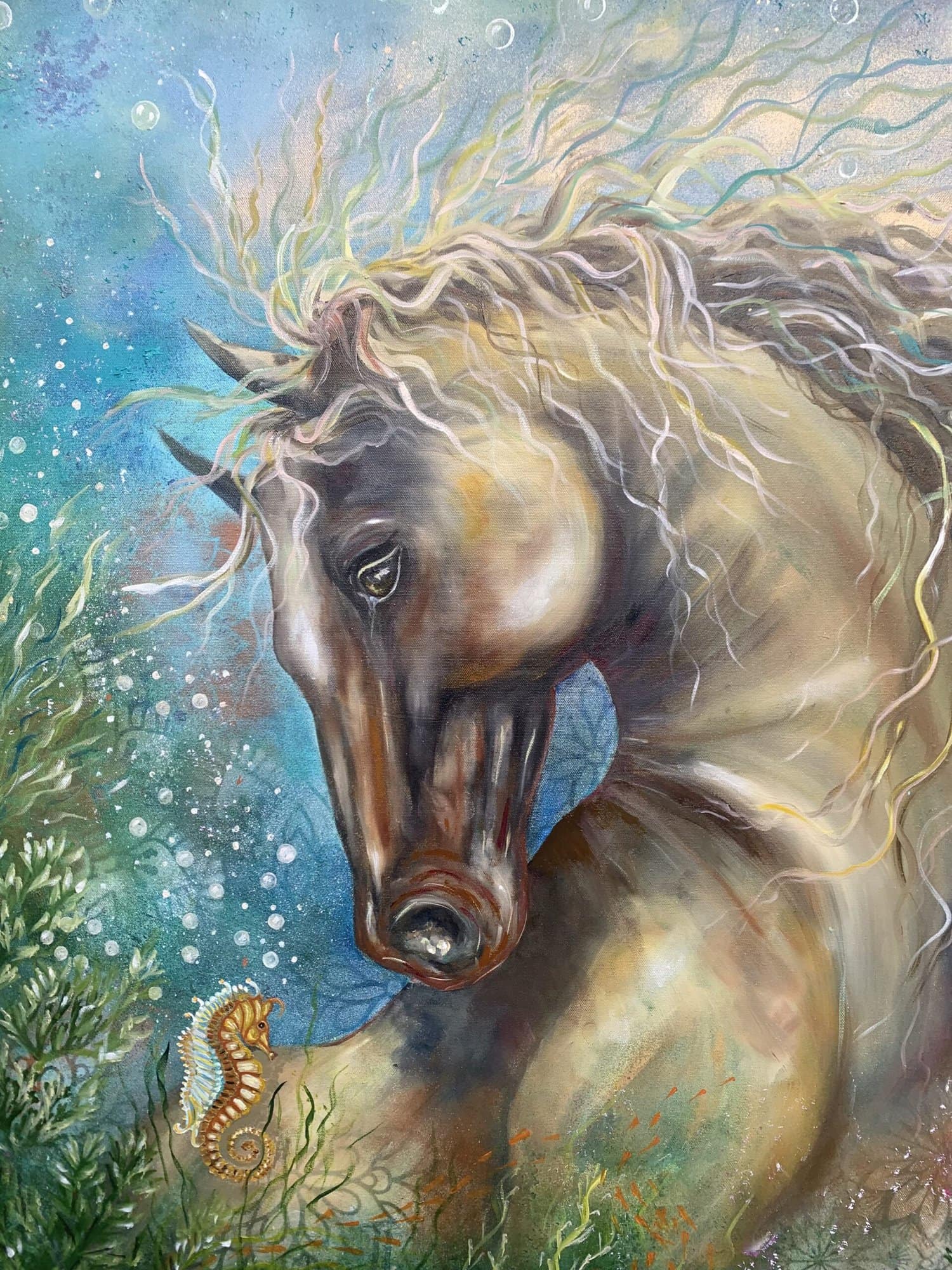
In an age where social media can amplify trends overnight, many artists feel the pressure to conform. They may find themselves creating work that aligns more with what’s trending rather than what resonates with their true selves. While this might yield temporary success or visibility, it often comes at a cost. When artists suppress their authentic voice, they can experience creative burnout, and start producing art that doesn’t reflect your true self. Which will cause the joy of creation to diminishes, leading to frustration and burnout.
If as artists we are not inspired by your work, how can you expect others to be?
Every artist has a unique perspective shaped by their experiences, emotions, and observations. When you stray from your artistic voice, you risk losing touch with who you are as an artist and what makes your work special. If your work feels inauthentic, you may struggle to connect with your audience, limiting your impact and reach. On the other hand, embracing your individual artistic voice can open doors to a richer, more fulfilling artistic journey.
Here are some benefits of honouring your true self as an artist:
- Enhanced Creativity: When you allow yourself to create from a place of authenticity, your creativity flourishes. You may discover new techniques, themes, or styles that resonate deeply with you, leading to innovative work that stands out.
- Stronger Connections: Authentic art has the power to forge connections. When you create work that reflects your true self, you invite others into your world, fostering deeper relationships with your audience and fellow artists.
- Sustained Motivation: Creating art that aligns with your values and passions can reignite your motivation. It transforms your practice from a chore into a joyful exploration, keeping the flame of inspiration alive.
If you’re struggling to honour your artistic voice, here are some strategies to help you reconnect with your true self:
1. Reflect on Your Influences: Take time to explore what inspires you. Consider the artists, experiences, and emotions that have shaped your perspective. What themes do you find yourself drawn to?
2. Experiment Fearlessly: Give yourself permission to experiment without the pressure of producing a “finished” piece. Try new mediums, styles, or subjects that intrigue you. This exploration can lead you back to your authentic voice.
3. Set Boundaries: While it’s beneficial to engage with the art community and stay informed about trends, be mindful of how much influence they have over your work. Set boundaries to protect your creative space.
4. Seek Feedback Wisely: Connect with trusted peers or mentors who understand the importance of authenticity in art. Their insights can help you refine your voice without compromising it.
5. Embrace Vulnerability: Remember that vulnerability is a strength, not a weakness. Sharing your personal experiences and emotions through your art can create a powerful connection with your audience.
Honouring your individual artistic voice is not merely a personal endeavour; it’s a vital part of the artistic journey that impacts your growth, satisfaction, and success. By embracing your authenticity, you not only enrich your own creative practice but also contribute to a vibrant, diverse art community. As artists, we have the power to inspire, challenge, and connect through our work. Let’s commit to honouring our unique voices and creating art that resonates with our true selves.
After all, the world needs your perspective, don’t be afraid to share it! By nurturing your artistic voice, you not only elevate your work but also enrich the lives of those who experience it. Let your art be a reflection of who you are, and watch as it transforms not only your practice but also the way the world sees your creativity. Happy creating!
Book Launch ‘Artful Awakening’ – Unlock Your Creative Potential and Live Inspired
'Artful Awakening'- Unlock Your Creative Potential and Live Inspired

Unlock Your Creative Potential with ‘Artful Awakening.’
In a world brimming with routines and responsibilities, where does our creativity fit in?
How do we reignite the spark that fuels innovation, passion, and personal growth?
Enter my new book, Artful Awakening: A Journey into the Heart of Our Creative Potential, a guide to rediscovering and nurturing the boundless creativity within each of us.
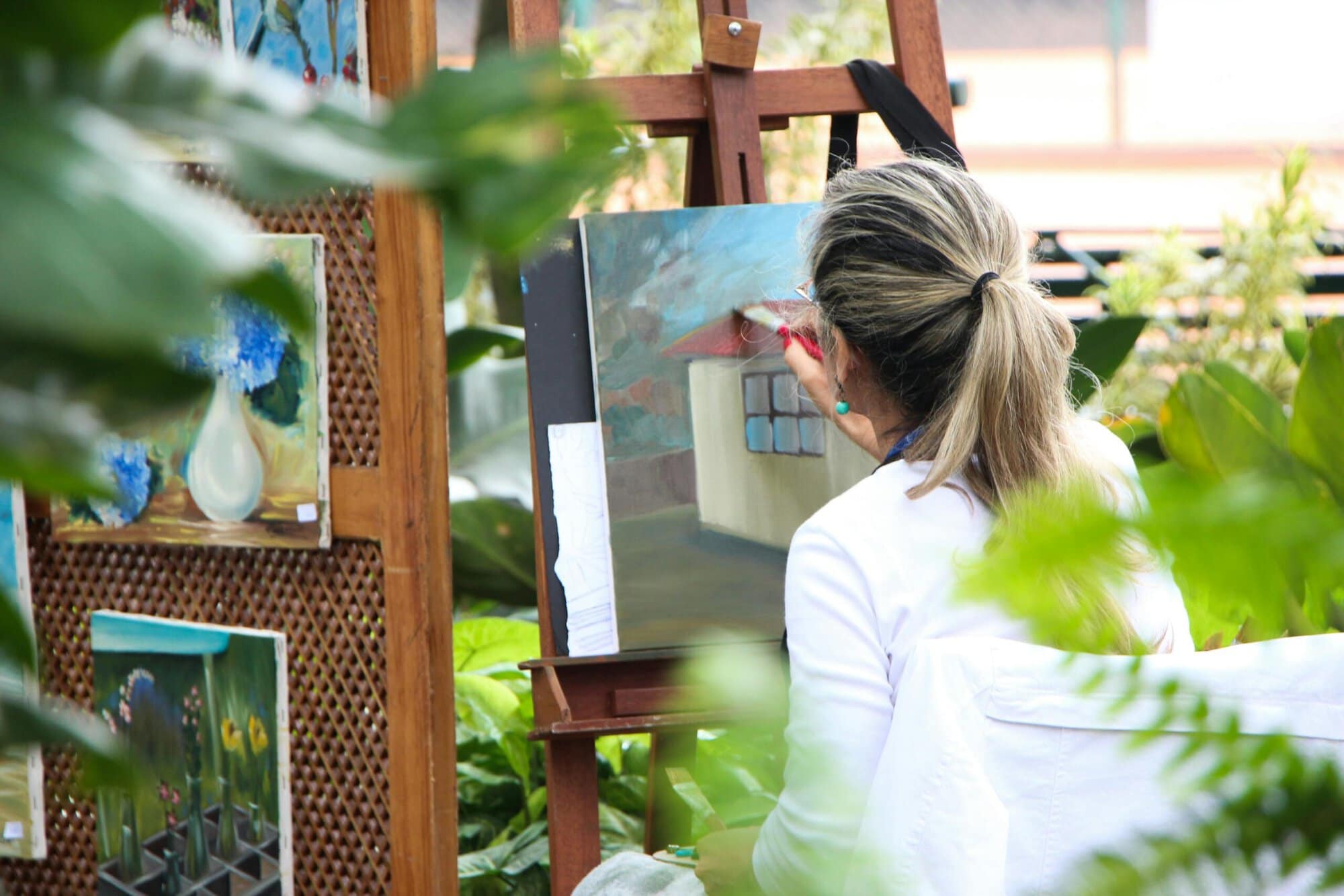
The idea for Artful Awakening was born from my own journey of self-discovery and creative exploration. As an artist and writer, I’ve often found myself grappling with the elusive nature of inspiration. Through years of trial, triumph, and introspection, I realized that creativity isn’t a fleeting gift bestowed upon a lucky few. It is a vibrant, dynamic force residing within all of us, waiting to be awakened.
Artful Awakening is more than just a book; it’s an immersive experience designed to guide you through the layers of your creative psyche. Here’s a glimpse of what you can expect;
Practical Exercises: Engage with exercises and prompts tailored to ignite your imagination. Whether you're a seasoned artist or a novice looking to explore your creative side, these activities are crafted to meet you where you are.
Mindfulness Practices: Learn how mindfulness and meditation can enhance your creative process. Discover techniques to quiet the mind, focus your energy, and tap into deeper levels of creative thought.
Scientific Insights: Explore the latest research on creativity and the brain. Understand how our neural pathways can be rewired to foster creative thinking and innovation.
Community Connection: Connect with a community of like-minded individuals on the same journey. Share your progress, seek feedback, and find encouragement in a supportive network.
In today’s fast-paced world, many of us are seeking ways to reconnect with ourselves and find meaning beyond our daily routines. Creativity offers a powerful outlet for self-expression and personal growth. By embarking on this journey, you’re not just enhancing your artistic abilities; you’re cultivating a richer, more fulfilling life.
Artful Awakening is a celebration of the creative spirit and a call to action for anyone yearning to explore their potential. Whether you’re looking to reignite a forgotten passion, develop new skills, or simply bring more joy into your life, this book is your guide.
As we embark on this adventure together, remember: creativity is not a destination but a journey. It’s about embracing the process, celebrating progress, and awakening the artful possibilities within us all.
Artful Awakening is now available for pre-purchase.....just send me an email and I will add you to the launch list.
Let’s embark on this journey of self-discovery and creative awakening together. Your creative potential is waiting—are you ready to awaken it?

With years of experience as an artist, writer, and creative coach, I have dedicated my life to exploring the depths of human potential. My work aims to inspire and empower others to discover their unique creative voices. Through Artful Awakening, I hope to share the insights and tools that have transformed my own creative journey.
Thank you for being a part of this exciting new chapter. Together, let’s awaken our creativity and transform our lives.
Photo Credits: Karolina Kaboompics, Jadson Thomas, Kampus Production
I just want to paint! Fighting the creative block?
I just want to paint! Fighting the creative block!
Motivation and inspiration come to us in different forms. Sometimes it is a song, or a beautiful sunset, or visiting an inspiring exhibition. As artists we live in this permanent turbulent creative vortex that allows us to feel and absorb inspiration from all our senses. But sometimes we feel blocked or crippled by self-doubt. It affects all artists, not just people early in their creative journey. Sometimes that self-doubt grips us and paralyses us from creating. I recently had a 'dry creative spell', that made me pause the flow of creating. I was still showing up each day to create something, but the passion and the energy were not behind it. So I forced myself to leave the studio and take a break. Taking a break allows us to put things into perspective. This forced break gave me space to feel my creativity again. To feel the excitement of a new idea, a new project.
It was that excitement that was missing because I was overthinking and stuck in the analytical side of my brain. So what can we do the fight this creative block?

photo by Cottonbro Studio
The creative side of our brain is where inspiration strikes, ideas flow freely, and intuition guides us. It is the seat of our imagination, where we can envision new possibilities, explore alternative perspectives, and visualize the future. This side of the brain is not bound by logic or rationality; instead, it embraces spontaneity, curiosity, and experimentation.
photo by Cottonbro Studio
Stress can impair our concentration, memory, and decision-making skills, making it difficult to focus on creative tasks and generate new ideas. It can also limit our ability to think flexibly and adapt to changing circumstances, stifling our creativity and problem-solving capabilities. Additionally, stress can lead to negative emotions such as anxiety, fear, and self-doubt, which can further inhibit our creative flow and hinder our ability to express ourselves freely.
Photo by Antoni Shkraba
Through art, music, writing, or any other creative medium, we can process our experiences, heal emotional wounds, and gain a deeper understanding of ourselves and the world around us. Moreover, following our creative path can lead to a sense of purpose and fulfillment.
photo by Brett Sayles
So, let us all embrace our creativity,fight off the creative block, follow our passions, and unleash our creative potential to create a brighter, more inspired future for ourselves and others.
Art Heals
Research shows us that Art Heals!

Over the past few decades, hospital designers and architects have begun to understand the science and spirituality of healing art and have determined what types of artwork are more likely to soothe patients. Nature scenes are emphasized in Western culture healing processes, and research has shown that landscapes and other environmental factors can influence mental disorder treatments, according to a survey by M. F. Miles titled “Art in hospitals: does it work? A survey of evaluation of arts projects in the NHS.”
A study done in 1984 compared two similarly treated groups of patients who were recovering from cholecystectomy: One group looked out onto trees and nature landscapes, and the other looked onto a brick wall. The “tree” group recovered in 7.96 days on average while the “brick” group took 8.70 days. This may not seem like a significant difference when accounting for other factors of the healing process, but it definitely deserves further research to examine. Since then, further studies have been conducted to assess the impact art has within hospitals.
In 2006, it was stated by the Department of Health Working Group on Arts and Health that art has a “clear contribution to make and offer major opportunities in the delivery of better health, wellbeing and improved experience for patients…” In a study conducted across three UK hospitals, paintings were classified in terms of pleasure and arousal. Those with high levels of pleasure and low arousal induced states of calm within patients, while others with high arousal and low pleasure caused discomfort. Patients all-around preferred paintings of landscapes, confirming the research findings from decades before.

A possible reason for the preference of nature and landscapes is because it takes us back to an escape from urbanization and the desired arcadia of simpler times. The blue and green calming hues of nature paintings were more likely to assist patients than modern art of geometric figures. Within the “art of medicine,” there are psychological healing aspects that science still cannot determine the root causes. Pleasurable art within hospitals can have positive effects on health outcomes, shorter lengths of staying in hospitals, increased pain tolerance, and decreased anxiety according to a study titled “Visual art in hospitals: case studies and review of the evidence.”
Not only does the type of art matter in the healing process, but it also depends on where the art is located. Our minds process stimuli everywhere around us, even if we are not consciously aware of it. The hospitals in the 2006 study took care to put art wherever they could, including the parking garage (which also helps to remember where your car is), the windows, and the wards and waiting rooms. These are all important to establish a sense of comfort to those visiting the hospital, regardless of how long they stay there.
Hamish McDonald, an artist and cancer patient at one of the examined UK hospitals said this about art: “I am a firm believer in the power that art has to inspire and help alleviate suffering and that it can play a key role in lessening the burden that illness brings.” His art depicting life with cancer can be seen at the Medical School Building in Glasgow.
As an artist, I find great solace in my art and work towards creating art that creates emotion. As artists, we can choose what emotion we would like to create for the observer. For me I want people to feel a positive affect…happiness, joy, calm, tranquility. These are the emotions that are stirred in me when I create…along with a good dose of frustration at times! But overall creating lifts me and gives me the chance to fully connect to my deep spiritual creativity. If I can convey that in my art then I am happy.
Research-based on a blog by fellow artist Ora Sorensen
Freeing Restrictive Behavioural Patterns
Freeing Restrictive Behavioural Patterns
Our true selves exist whether we acknowledge them or not, often buried under learned behavior.
Identity is an elusive concept. We feel we must define ourselves using a relatively small selection of roles and conscious character traits, even if none accurately represents our notion of “self.” The confusion surrounding our true natures is further compounded by the fact that society regularly asks us to suppress so much of our emotional, creative, intellectual, and spiritual vibrancy. Yet we are, in truth, beings of light — pure creative energy inhabiting physical bodies, striving for enlightenment while living earthly lives. Our true selves exist whether we acknowledge them or not, often buried under fears, learned behavior, and false perceptions. When we recognize our creative power, our luminosity, and our divinity, we cannot help but live authentic lives of appreciation, potential, fulfillment, and joy.

At birth and throughout your early childhood, your thoughts and feelings were pure expressions of your true self. Unfortunately, this purity does not last long, and we quickly learned that to speak and act in a certain way would win others’ approval. Whether it was our parents, teachers, or peers. The pressure to conform to their perceptions was overwhelming, and for many created a division in the way that you felt inside, to the way that you expressed yourself externally. We simply learned to please others and to fit into their perception of how we should behave.
Luckily there are many ways you can recapture the authenticity you once articulated so freely. Firstly we need to find our way back to ourselves and reconnect our mind, body, and spirit. Which is the foundation of Yoga, using mediation and breathwork to free the authentic voice within.
Meditation can liberate you from the bonds of those earthly customs that compel you to downplay your uniqueness. Also, communing with nature can remind you of the special role you were meant to play in this lifetime. In order to realize your purpose, you must embrace your true self by letting your light shine forth, no matter the consequences.
 Rediscovering who you are apart from your roles and traits takes time and also courage. If like many, you have denied your authenticity for a long while, you may find it difficult to separate your true identity from the identity you have created to cope with the world around you. Once you do find this authentic self, however, you will be overcome by a wonderful sense of wholeness as you reconcile your spiritual aspect and your physical aspect, as well as your creative freedom. As you gradually adjust to this developing unity, your authentic voice and spiritual creativity will reveal themselves to you.
To help you with this process I have created an exciting self-paced e-course called ‘Break Free and Create‘. This is a six-week online course and is designed to break through the creative blocks and resistance, whilst reconnecting with the pleasure of your physical body. Together we work to release your authentic artistic inner voice. We will discover the reasons behind why we feel that we cannot create, and how this shows up in our lives in many ways. And we will discover why we self-sabotage with false beliefs about our ability to create which suppress our natural desire to create.

This course is about not just re-awaking your creative voice but also finding the connection between creativity and spirituality, whilst also honoring the concept of finding meaning behind what we make and create. Here we will also look at the difference between emotional and creative blocks and learn coping strategies for when they show up.
Want to learn more about how you can Break Free and Create, and get a Free Creative Coaching Call with me? Click Here
Remember to Create like a Child
Remember to create like a child, because fun isn't something that is given or done to you, it is something that you allow yourself to experience. So Break free and create.

As adults, we often get so caught up in "grown up" life that we can forget how to have pure fun. This isn't the kind of fun that comes from doing a specific kind of activity or being in a specific mood for fun. Rather, this is the fun born from the state of pure being. You see this kind of fun in young children who are so busy being fully present to their lives and in their own bodies that the glow of fun radiates from them just because they are alive: the delight that flashes across the eyes of a child who discovers the beautiful shapes that they can create when they let their paint brush flow across the page, of the squeal of pleasure from a child as they feel the paint on their hands as the interact with the canvas.
Back when we were children, this experience of pure delight didn't have to come from a heightened, heady event in order for us to feel like our day had been made; and it can be that way for us again -- if we are willing to remember and reconnect with that part of ourselves that knows how to be in the flow of fun. You can begin this process by reminiscing on what fun you had simply creating as a child. Think about what caused you to giggle in delight or wriggle in pleasure or burst into endless laughter that you couldn't sit up straight no matter how much you wanted to. Try to spend a few moments with each memory, and really feel what it was like to be in those experiences -- allowing that feeling of pure fun to wash over you. It lives, in you -- that feeling. It can't be bottled, manufactured, or sold. You just have to call it back up in order to experience it again.
Pure fun in creating happens when we are fully engaged with ourselves and our world in each moment. It is the spontaneous delight that bubbles out of us when we let go long enough to bring it through; it is the experience of natural, organic pleasure that springs up from our bellies, through our souls, up through our faces, and down to our toes. We've naturally known how to have pure fun since the day we were born, unfortunately we have learnt how not to have fun.
Approach your life today with the knowledge that pure fun and creativity are entwined and it isn't something that is given or done to you; rather, it is something that you allow yourself to experience.
Break Free and Create E-Course
Re-ignite your innate creativity
Cut the internal chatter and Break Free and Create!
It is time to Break Free and Create!

Few people enjoy the company of individuals whose attitudes are persistently negative. Yet many of us tolerate the critical chatter that can originate within our own minds. Since we are so used to the stream of self-limiting, critical consciousness that winds its way through our thoughts, we are often unaware of the impact these musings have on our lives and our creativity. It is only when we become aware of the power of such thoughts that we can divest ourselves of them and fill the emptiness they leave with loving, peaceful affirmations and creative joy. Many people, upon paying careful attention to their thinking patterns, are surprised at the negativity they find there. But when we take notice of involuntary thoughts in a non-judgmental way, we initiate a healing process that will eventually allow us to replace intimidating and upsetting self-talk with positive, empowering thoughts that will reflect in the freedom we experience on the canvas or in the written word. Allowing us to quite simply...Break Free and Create!
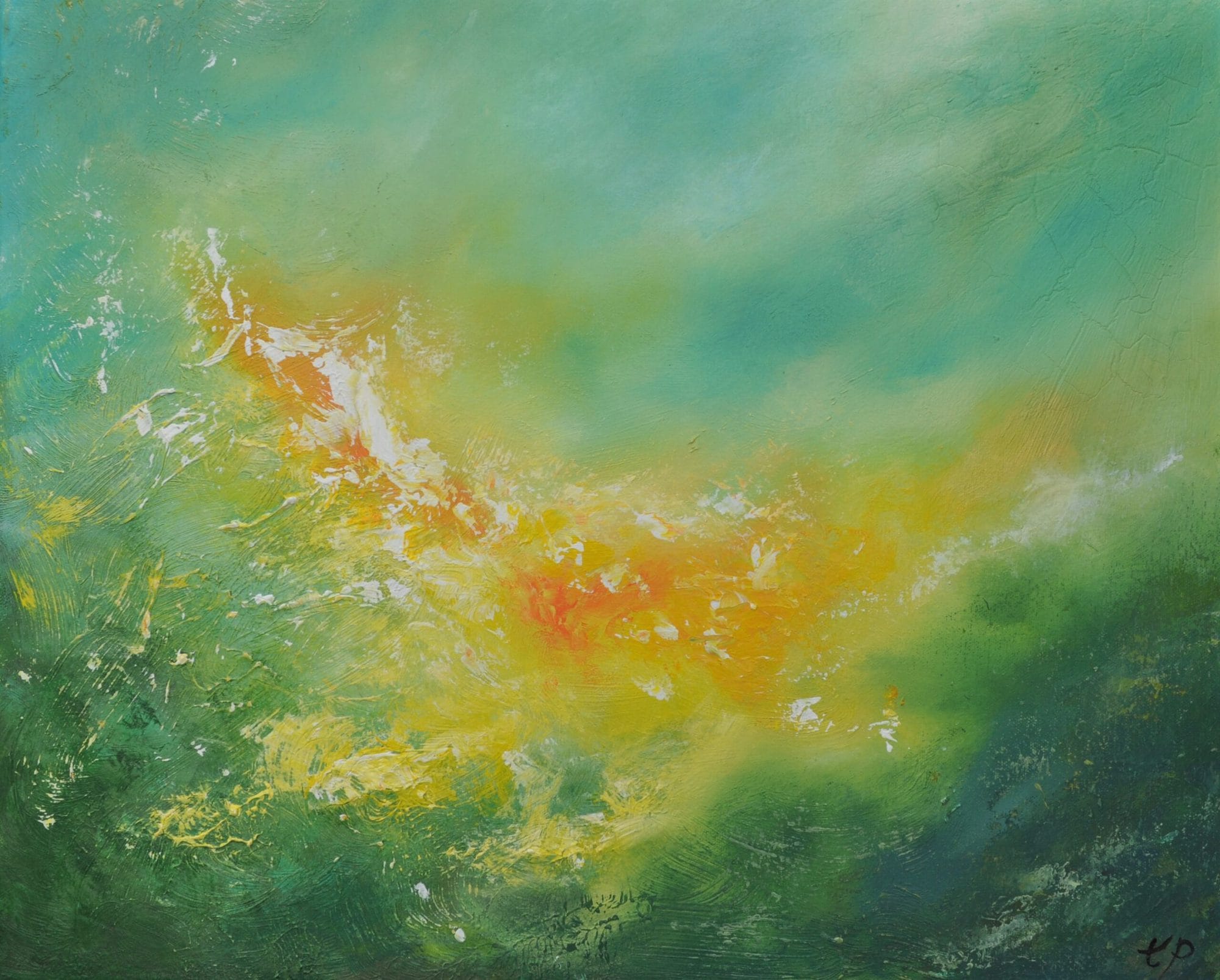
While the occasional downbeat or judgmental thought may have little impact on your contentment, the ongoing negativity, and self sabotaging thoughts that passes unnoticed can have a dampening effect on your mood, your creativity and your desire to ignite your authentic voice. When you are aware of the tone of your thoughts, however, you can challenge them. Try to be conscious of your feelings, opinions, and judgments for a single day. From sunup to sundown, scrutinize the messages you are feeding into your subconscious mind. Consider your thoughts from the perspective of a detached observer and try not to judge yourself based on the notions that come unbidden into your mind. Simply watch the flow of your consciousness and make a note of the number of times you find yourself focusing on gloomy notions that you are not creative or indulging in self-directed criticism.
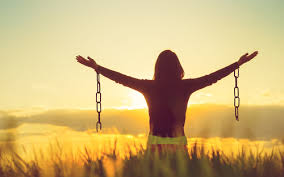
As you become increasingly aware of your patterns of thought, whether positive and negative, you will gradually learn to control the character of your stream of consciousness. Endeavor always to remember that the images and ideas that pass through your mind are transient and not a true representation of who you are. In training yourself to be cognizant of your thoughts, you gain the ability to actively modulate your mood, and break free and create. The awareness you cultivate within yourself will eventually enable you to create a foundation of positivity from which you can build a more authentic, creative existence.
If you want to learn more about how to break free of self criticism and creative blocks, sign up for our Break Free and Create 6 week E-Course starting April 19th. Here we will dive deep into why we experience creative blocks and anxiety and how we can work through them, and past them, to release our innate creativity, whether it is art, music or writing.....break free and create.

Break Free and Create E-Course with Contemporary Artist Tandy Pengelly