
Stay Strong, Stay Balanced: How Yoga and Pilates Can Keep You Steady as You Age
Stay Strong, Stay Balanced: How Yoga and Pilates Can Keep You Steady as You Age
Stay Strong, Stay Balanced: How Yoga and Pilates Can Keep You Steady as You Age
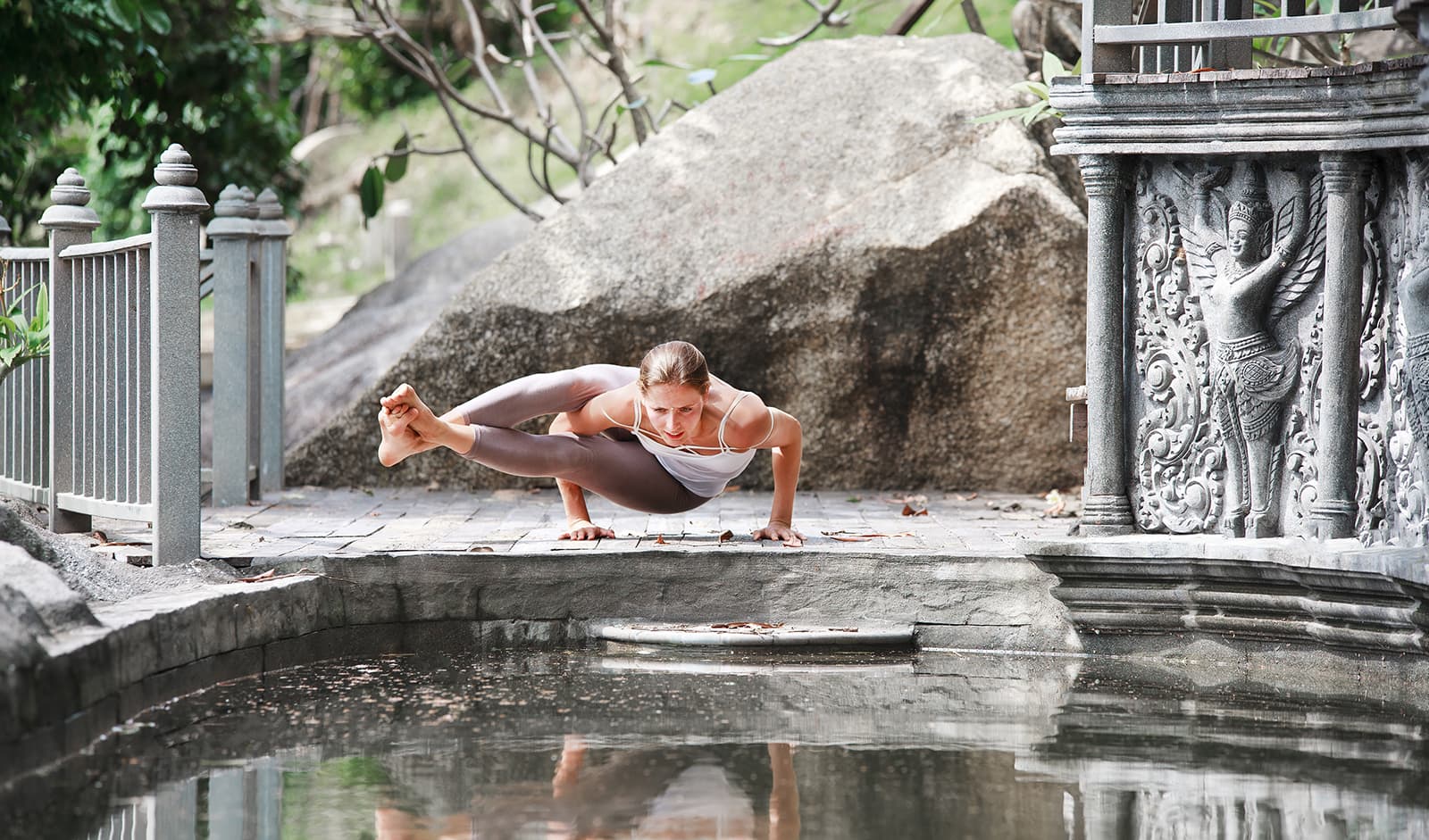
As we age, maintaining balance becomes increasingly challenging. One of the primary reasons for this decline is the gradual loss of muscular strength, which directly affects our ability to stabilise and coordinate movements. In this blog post, we’ll explore why muscular strength is vital for maintaining balance, the specific muscle fibres that play a crucial role, and the types of physical activities that help preserve this essential function. We will also discuss whether it’s possible to regain balance after strength loss, why taking responsibility for our physical health is vital to longevity, and how creativity can support neurological health. Additionally, we’ll look at how a holistic approach, incorporating both physical and mental practices, can greatly enhance our overall stability and wellbeing.
Why Balance Declines with Age
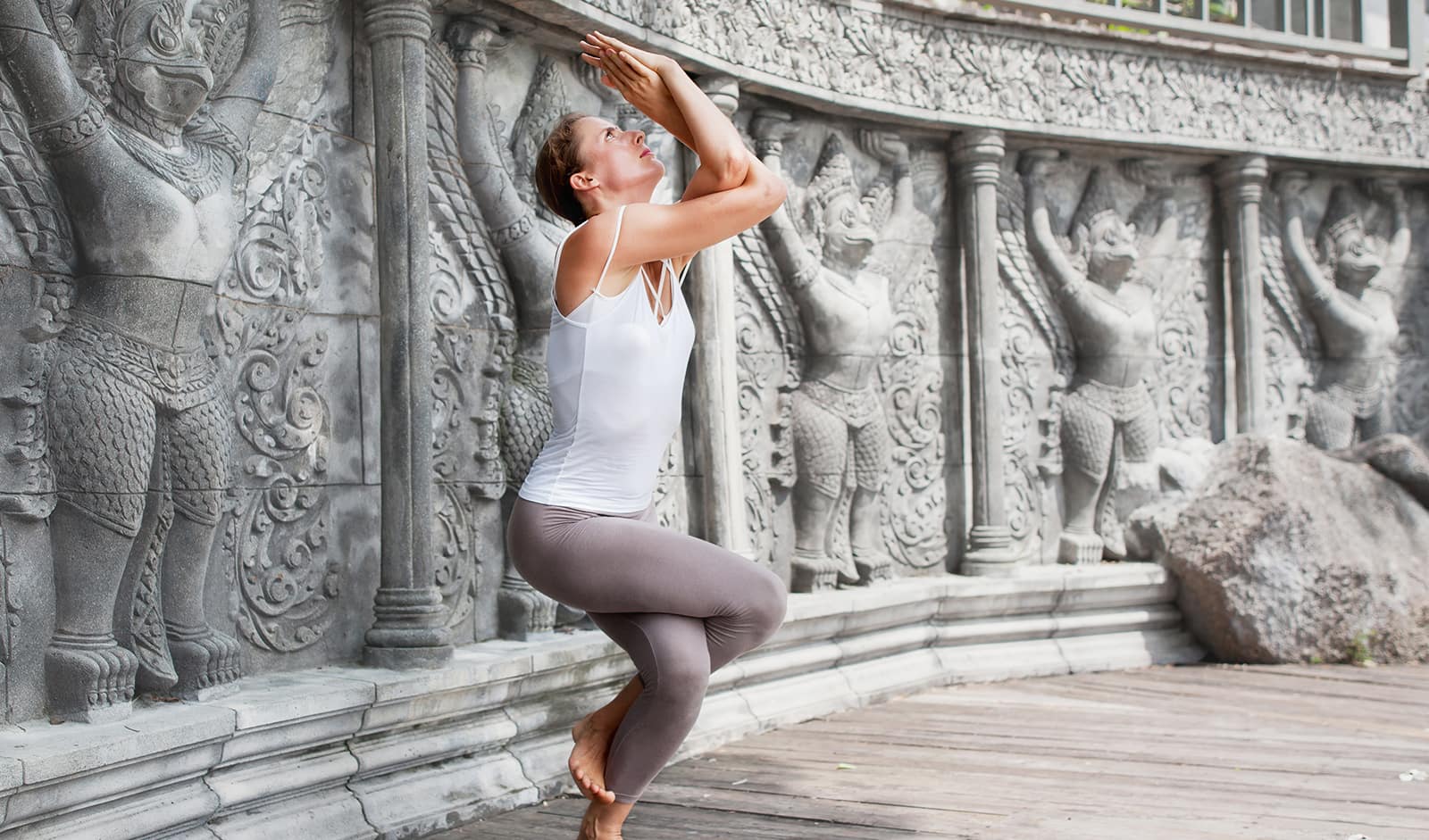
Ageing leads to a natural decline in muscle mass and strength, a condition known as sarcopenia. This process primarily affects fast-twitch muscle fibres (Type II), which are responsible for quick, powerful movements and are critical for maintaining balance. Additionally, neurological changes and reduced proprioception compound the challenge, leading to an increased risk of falling and a loss of mobility.
What Are Neurological Changes and Reduced Proprioception? Neurological changes refer to age-related declines in the brain and nervous system, including slower signal transmission between the brain and muscles. This delay affects our ability to make rapid adjustments to our posture, increasing the risk of falling.
Proprioception is the body’s ability to sense its position and movement in space. Reduced proprioception means a decreased awareness of where our limbs are positioned without looking at them, which can result in instability. This can be caused by joint degeneration, decreased muscle feedback, or neuropathy.
Can We Stop These Changes? While we cannot completely halt these age-related changes, we can slow them significantly. Regular exercise, particularly activities that challenge balance and coordination, helps maintain the nervous system’s efficiency. Practices like yoga, Tai Chi, and balance drills enhance proprioceptive feedback, while strength training helps maintain the muscle power needed to respond quickly to postural challenges.
How Creativity Supports Neurological Health Engaging in creative activities like painting, dance, and music can also help slow neurological decline. Creativity stimulates multiple areas of the brain, promoting neuroplasticity, which is the brain’s ability to form new connections. This adaptability helps maintain cognitive functions and can even enhance coordination and balance by keeping the brain agile. Practices like dynamic yoga and creative movement sequences not only challenge the body but also engage the mind, reinforcing the brain-body connection vital for stability.
Taking Responsibility for Longevity
Stay Strong, Stay Balanced: How Yoga and Pilates Can Keep You Steady as You Age
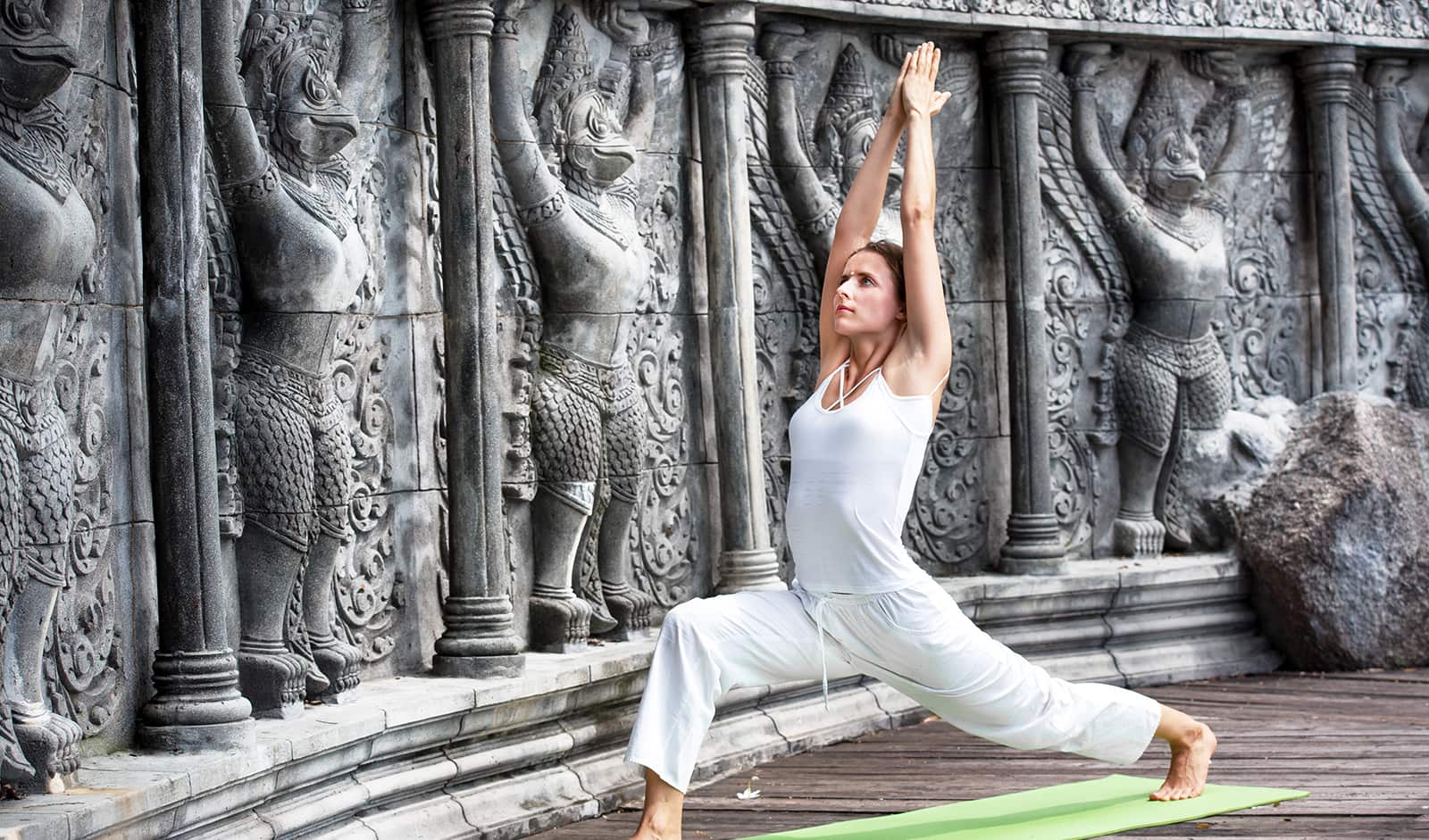
One of the most empowering aspects of ageing is realising that we have the power to influence how well we age. Taking responsibility for our physical health is crucial for longevity, and maintaining muscular strength and balance is a fundamental part of that. By actively engaging in practices that preserve balance and strength, we not only reduce the risk of falling but also enhance our independence and quality of life.
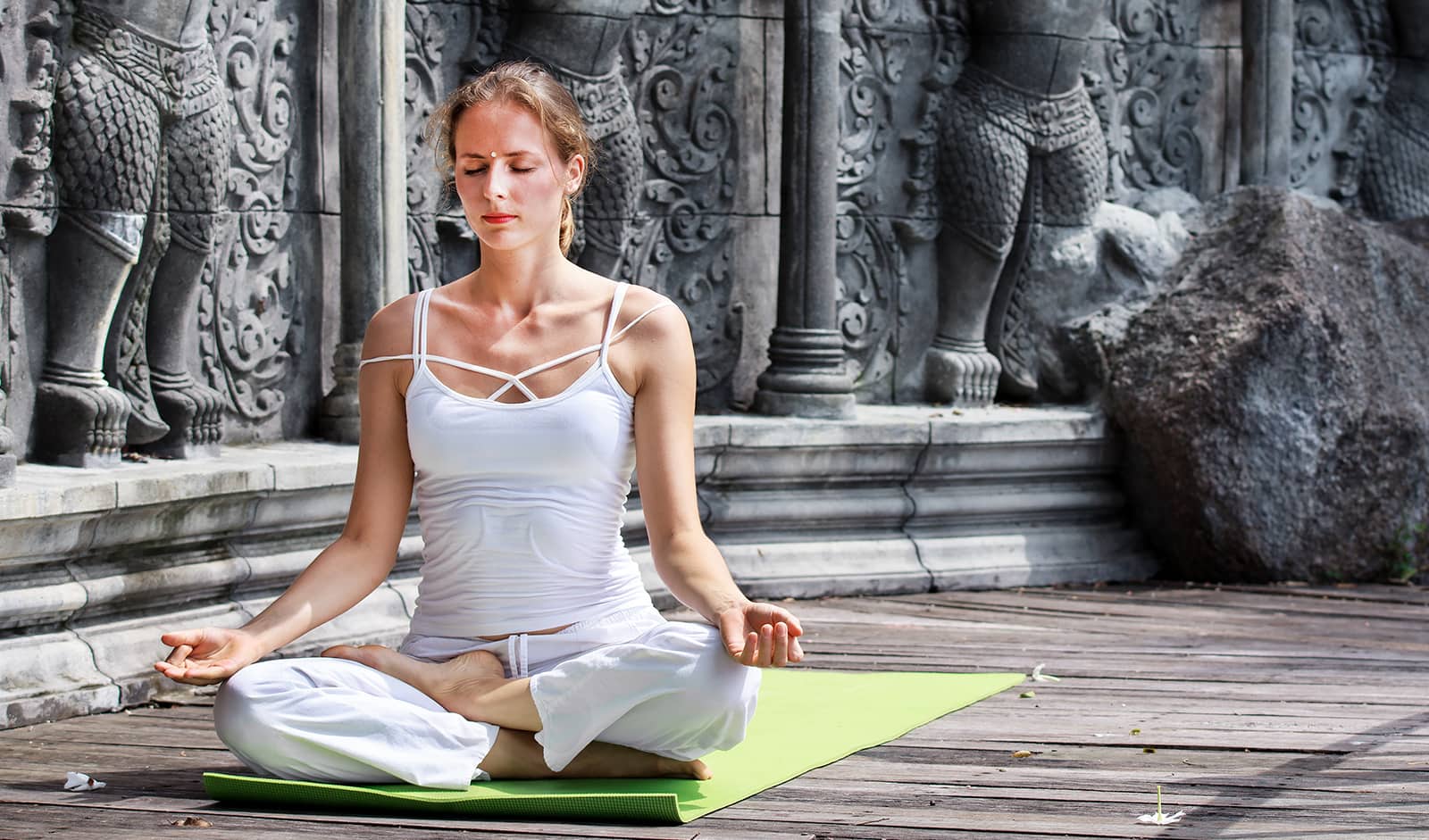
Yoga plays a vital role in this process. It allows us to connect deeply with our bodies, noticing subtle shifts, weaknesses, and strengths. Unlike many other forms of exercise, yoga encourages mindful movement and self-awareness. This awareness highlights areas of weakness, giving us the opportunity to address them proactively rather than taking our physical abilities for granted. Pilates complements this by building core strength and control, directly impacting our ability to stabilise during everyday movements.
Holistic Practices to Support Balance
In addition to physical training, it is essential to take a holistic approach to balance. Practices that combine physical, mental, and emotional well-being are most effective in maintaining stability. Meditation and breathwork, when integrated with movement, help improve focus and coordination. Techniques like mindful walking or combining breath with movement during yoga flow routines can significantly enhance both physical and cognitive balance.
Nutrition and Balance
Nutrition also plays a pivotal role in maintaining muscle function and brain health. Consuming adequate protein supports muscle repair and maintenance, while omega-3 fatty acids found in flaxseeds and walnuts promote brain health. Staying hydrated is also crucial, as even mild dehydration can impair cognitive function and coordination. Including antioxidant-rich foods helps combat oxidative stress, which is linked to age-related neurological decline.
Can You Regain Balance After Losing It?
Stay Strong, Stay Balanced: How Yoga and Pilates Can Keep You Steady as You Age
The good news is that even if you have lost balance due to poor muscular strength, it is absolutely possible to restore it. The body has a remarkable ability to adapt when challenged consistently. By implementing a structured balance training programme that focuses on rebuilding muscle strength and improving neuromuscular coordination, significant improvements can be achieved. It may take time, but with dedication to consistent practice, balance and stability can be significantly enhanced.
Key strategies include:
- Strength Training: Targeting lower body muscles with exercises like squats and lunges.
- Dynamic Movement Training: Incorporating movements that involve quick shifts in weight or changes in direction.
- Neuromuscular Re-education: Using balance or dynamic yoga poses to challenge proprioception.
- Core Activation: Strengthening the core through Pilates and yoga to support spinal stability and reactive balance.
- Creative Movement: Integrating dynamic yoga flows and spontaneous movement into routines to keep the brain and body engaged.
- Mind-Body Integration: Practicing mindful movement through flow yoga sequences with breathe awareness.
Conclusion
Taking responsibility for your physical health as you age is essential for maintaining independence and well-being. By incorporating exercises that activate both fast- and slow-twitch muscle fibres, engaging in creative practices, maintaining proper nutrition, and focusing on enhancing proprioception and neurological coordination, we can significantly reduce the risk of falling and enhance overall mobility. Stay active, stay strong, stay creative, and keep balanced!
Stay Strong, Stay Balanced: How Yoga and Pilates Can Keep You Steady as You Age